Frequently Asked Questions
What are the main advantages of N-Type HJT solar panels?
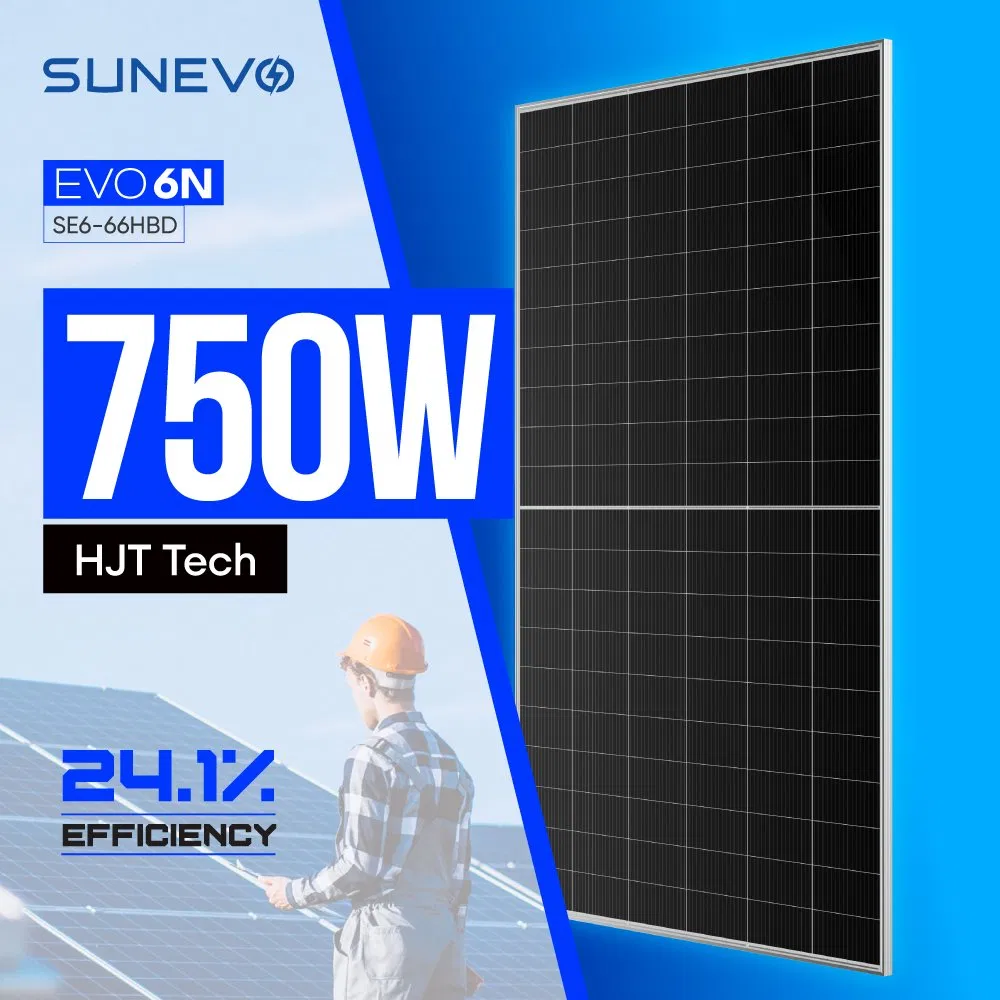
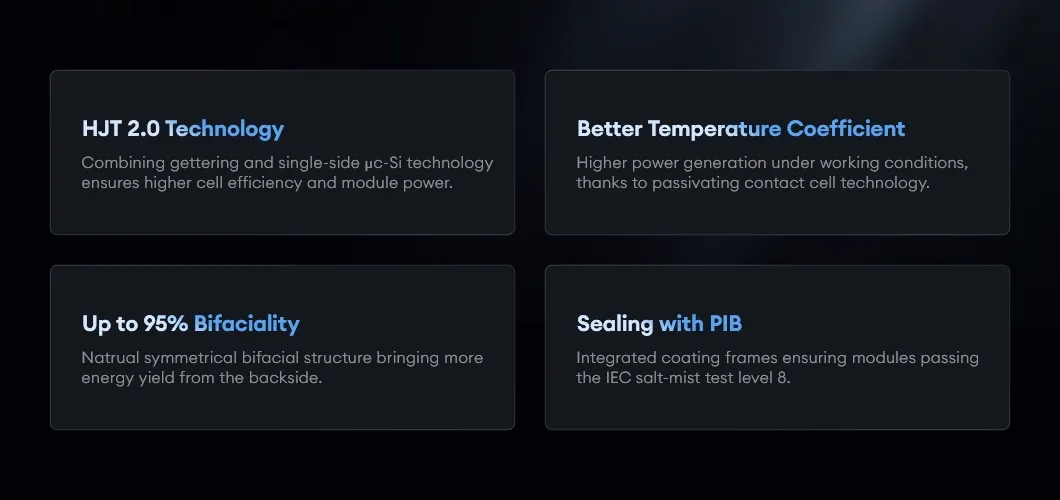
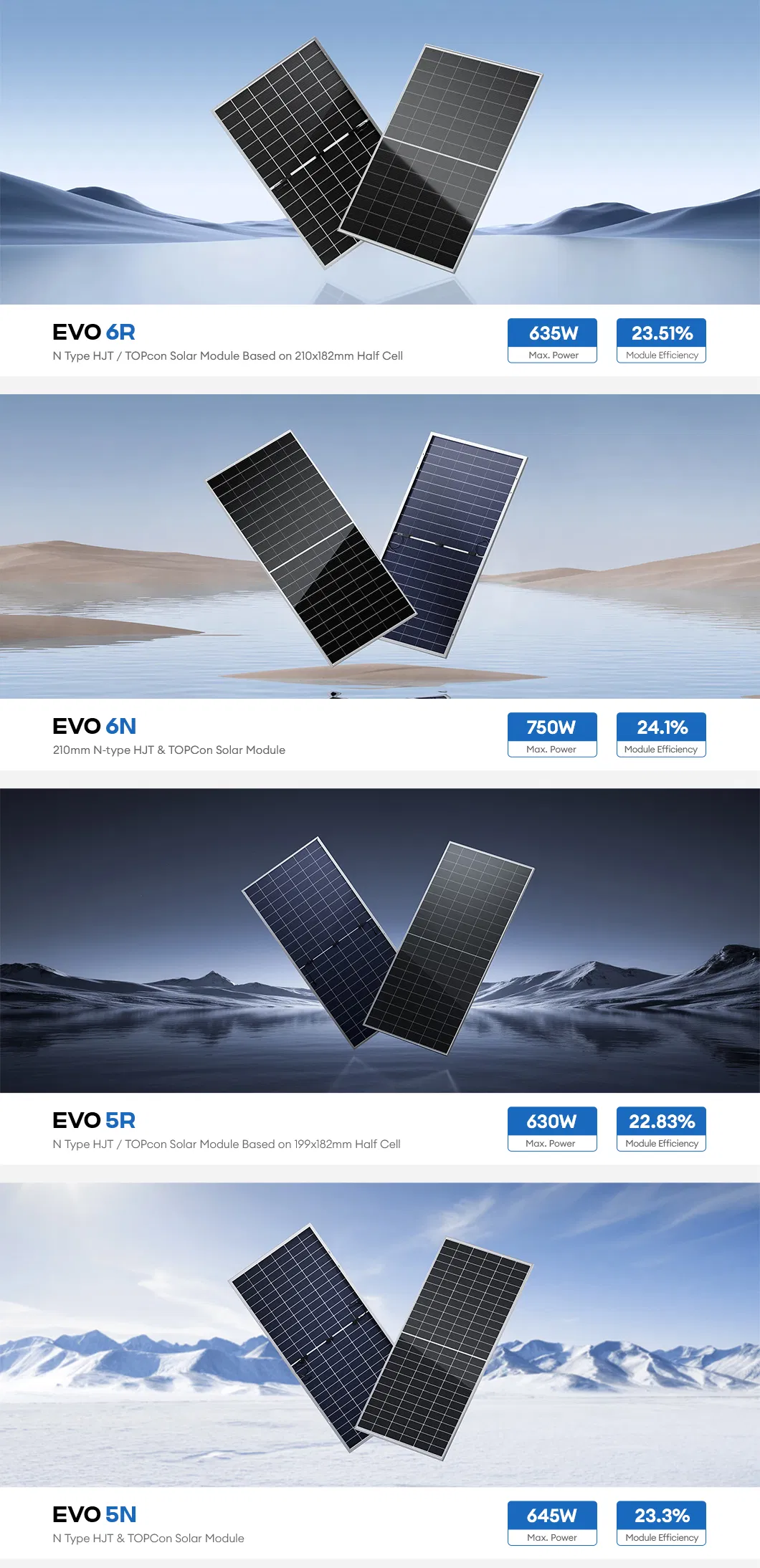
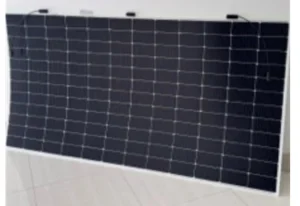
N-Type Heterojunction (HJT) solar panels combine the best features of crystalline silicon and thin-film technologies. They deliver higher conversion efficiencies (up to 24.10%), lower temperature coefficients, better low-light performance, and bifacial power generation, leading to a much higher overall energy yield.
What is the bifaciality rate and peak output power of these HJT modules?
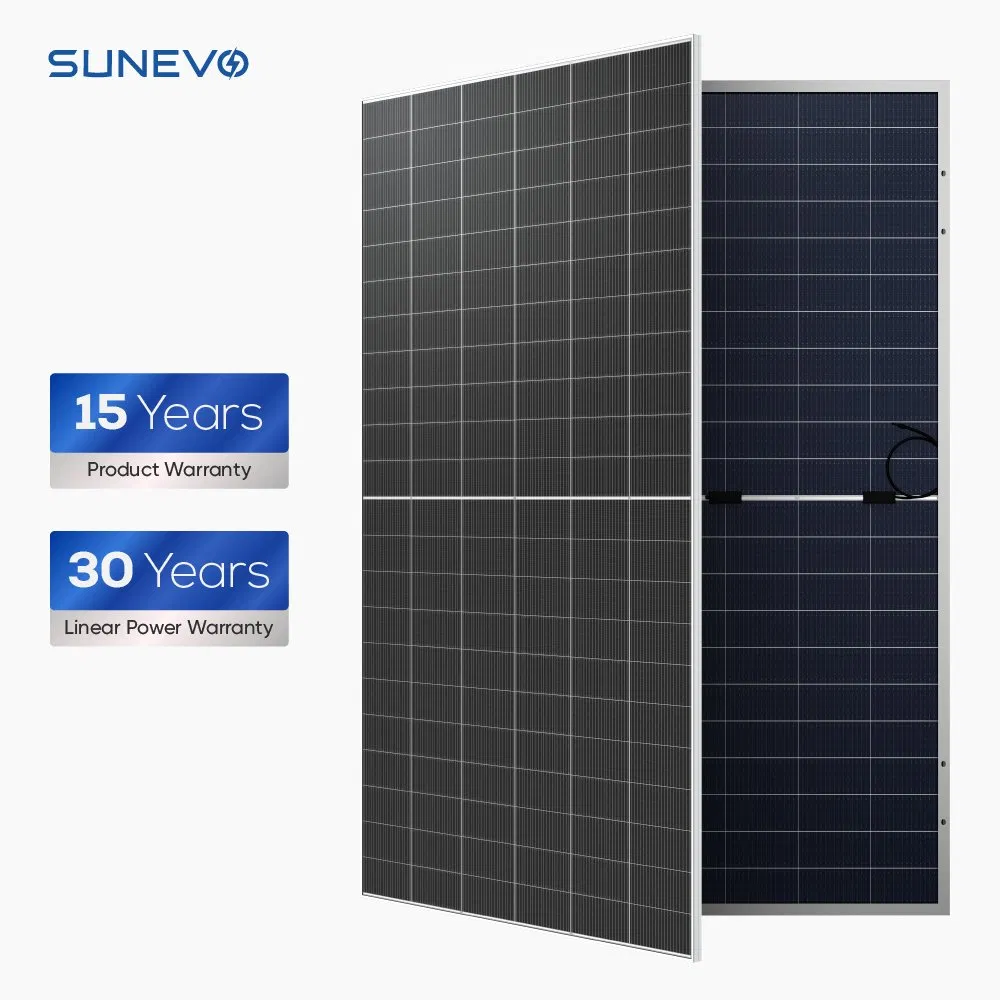
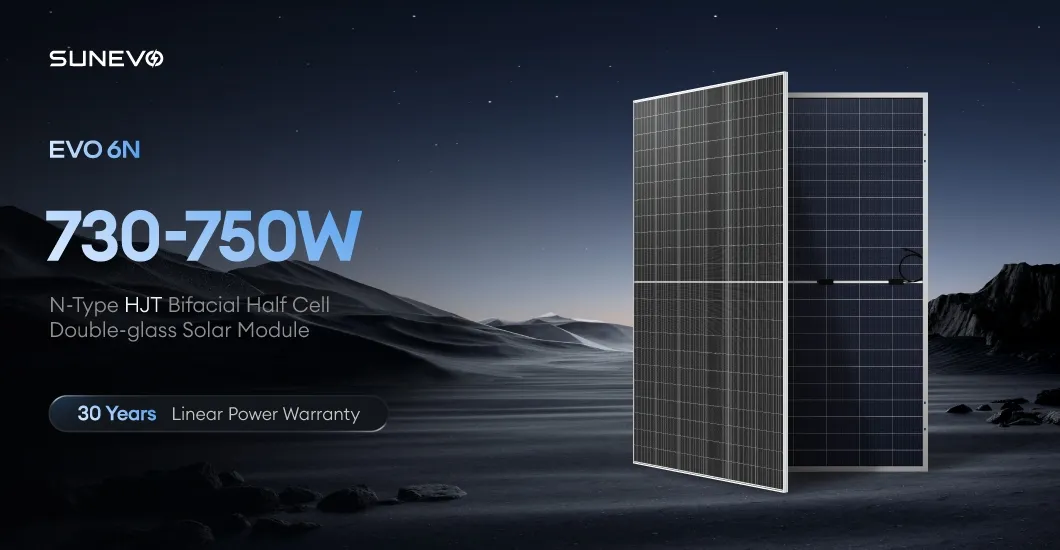
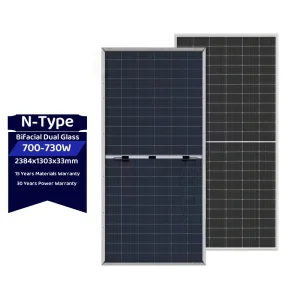
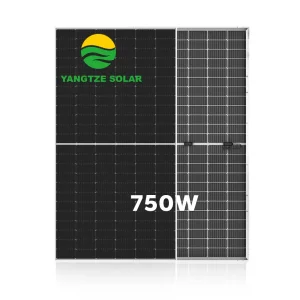
These solar panels feature dual-glass encapsulation and HJT technology, producing a high output power ranging from 730W to 750W. Under optimized back-side reflection conditions, the combined front and rear power generation can scale up to 841W.
What durability standards and static load capabilities do these modules meet?
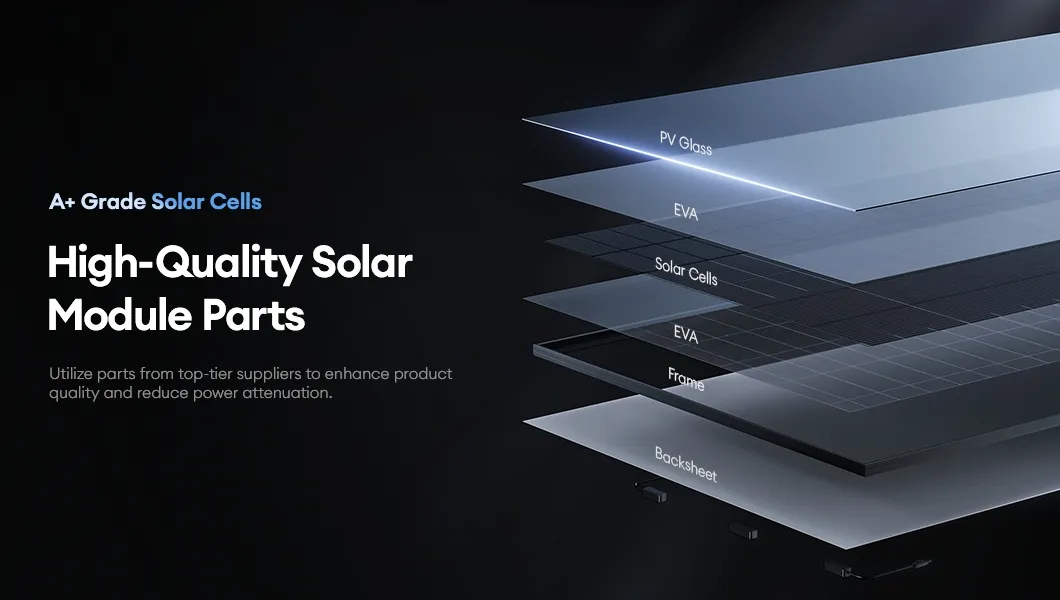
Designed for ultimate structural reliability, the solar modules feature a double-glass (2.0mm + 2.0mm) configuration. They can withstand maximum static loads of 5400Pa on the front side (heavy snow) and 2400Pa on the rear side (strong winds).
Are the connectors and cables weather-resistant?
Yes, the panels are equipped with IP68-rated waterproof junction boxes and standard 4mm² UV-resistant solar cables. The compatible connectors include standard MC4, MC4-Evo2, and PV-H4 designs, ensuring durable and secure outdoor performance.
Which international standards are these solar modules certified under?
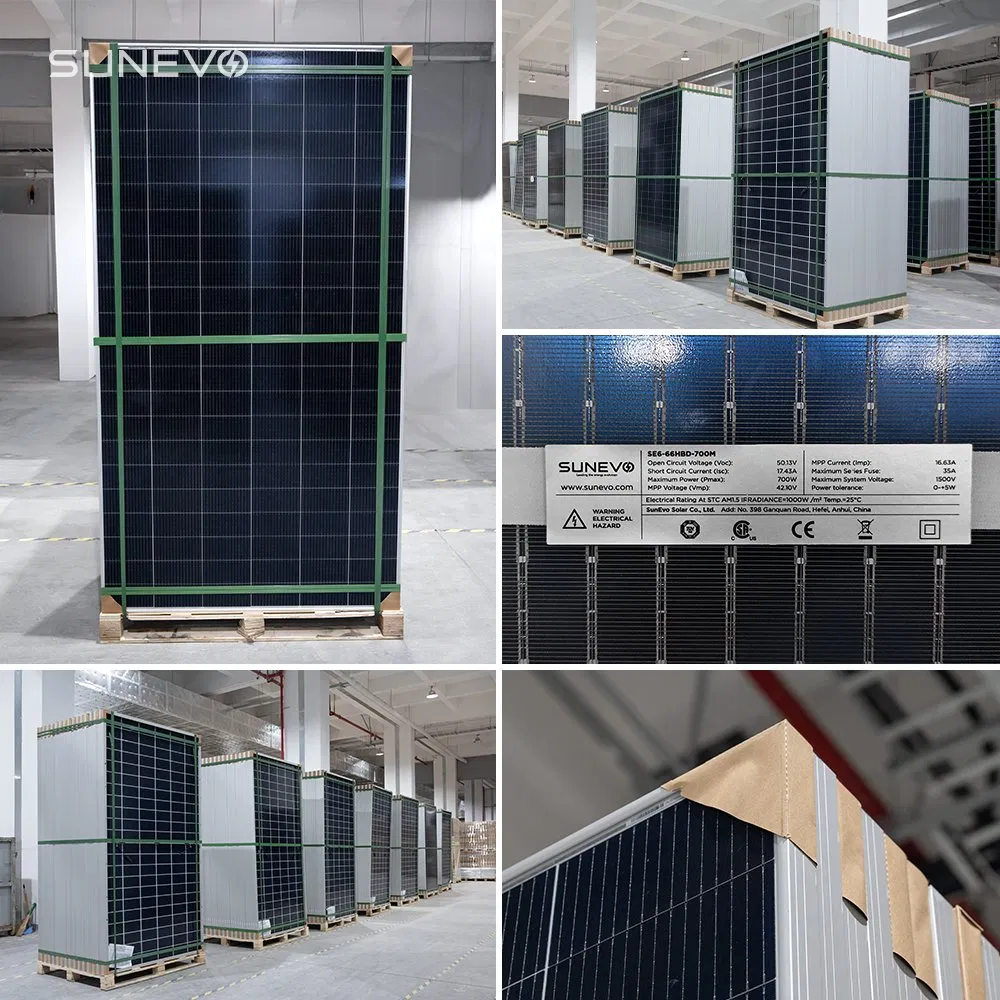
The HJT solar modules conform to major global quality and safety standards, holding certifications such as EST, ISO, CB, CE, and TUV, ensuring high manufacturing standards and reliable long-term operations.
 Halkirk Solar