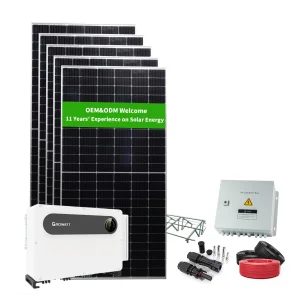
High-reliability tier-1 solar panel configurations designed for global enterprise utility projects, off-grid installations, and complex industrial structures.
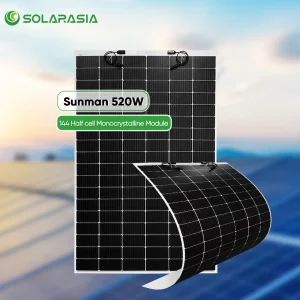
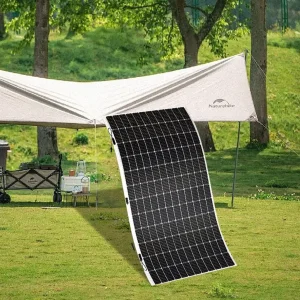
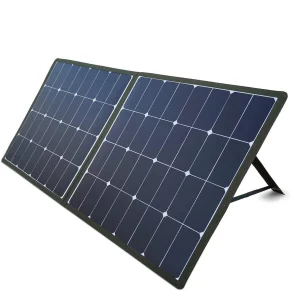
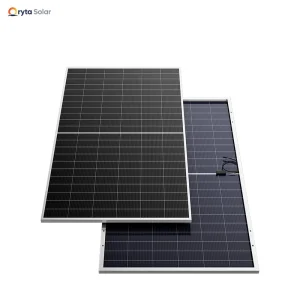
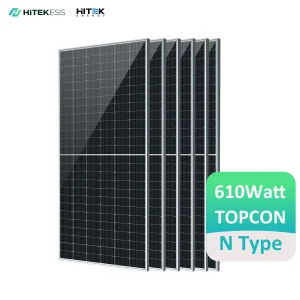
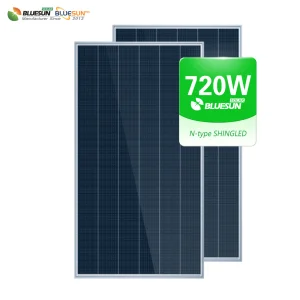
Pioneering clean energy deployment, Ningbo Halkirk Solar Co., Ltd. provides robust manufacturing standards, ensuring bankability and engineered longevity.
As a prominent player in the global photovoltaic value chain, Ningbo Halkirk Solar Co., Ltd. stands as a benchmark China solar panel manufacturer and monocrystalline & bifacial solar module supplier. Strategically located in the port-centric industrial hub of Ningbo, China, we integrate the entire life cycle of solar solution deployment—spanning advanced photovoltaic research and development (R&D), automated manufacturing lines, stringent quality control protocols, and robust global logistics. Our core mission is clear: to offer reliable, cost-efficient, and top-tier renewable energy assets to residential, commercial, industrial, and utility-scale installations worldwide.
Halkirk Solar specializes in engineering specialized PV components, including high-efficiency monocrystalline solar panels, bifacial solar modules, N-type TOPCon configurations, heterojunction (HJT) systems, and specialized off-grid and on-grid utility solutions. By leveraging advanced passivated emitter rear contact (PERC) technology alongside next-generation tunnel oxide passivated contact (TOPCon) processes, our modules maximize performance under real-world conditions, delivering industry-leading temperature coefficients, lower levelized cost of energy (LCOE), and minimized degradation rates.
Utilizing high-precision multi-busbar (MBB) and half-cell slicing technologies to mitigate resistive losses and maximize shade tolerance across utility scales.
Every single module undergoes pre-lamination and post-lamination Electroluminescence (EL) testing to detect micro-cracks, ensuring 100% defect-free delivery.
From custom system voltages (1000V/1500V) and mechanical dimensions to specialized structural trackers and marine-grade saltwater resilience coatings.
Why leading global EPC contractors, PV system integrators, and project developers choose Ningbo Halkirk Solar as their strategic procurement partner.
In utility-scale solar deployment, supply chain stability is the single most critical factor determining project IRR (Internal Rate of Return). Located in Ningbo, one of the world's most active shipping ports, Halkirk Solar offers unparalleled transit advantages. By streamlining material sourcing and logistics, we significantly reduce shipping lead times and freight costs for our international clientele across North America, Europe, Latin America, and Southeast Asia.
Our deep vertical integration allows us to hedge against raw material price volatility (silicon wafers, EVA encapsulation films, solar glass, and aluminum frames). This guarantee ensures that wholesale clients receive consistent pricing structures even during peak installation seasons. Furthermore, our flexible capacity allocation makes it possible to scale production lines rapidly to accommodate unexpected demand spikes or tailored client specifications.
Proximity to Ningbo-Zhoushan port allows for direct container loading inside our facilities, bypassing intermediary logistics hubs. This mitigates domestic transport handling risks, preserves panel integrity, and reduces port-to-port dispatch intervals down to less than 48 hours from factory completion.
Ensuring full compliance with global customs regulations (including Uyghur Forced Labor Prevention Act - UFLPA and EU Supply Chain Due Diligence directives). We provide comprehensive supply chain tracing documentation, guaranteeing source-validated raw materials from international and certified domestic partners.
Engineered reliability verified by operational milestones and international standards.
Navigating national electrical standards, grid codes, and regional installation compliance frameworks.
A solar module is only as valuable as its ability to easily integrate into local utility grids. Ningbo Halkirk Solar Co., Ltd. designs and manufactures systems that strictly adhere to international codes and certifications. Our engineering teams possess exhaustive familiarity with local requirements, including CE, TUV, ISO, and IEC certifications (IEC 61215 for design qualification and IEC 61730 for safety qualification). This guarantees that our PV modules pass national inspection guidelines smoothly, mitigating grid interconnection delays.
Beyond panel production, our solar installation services and localized support network guide EPC contractors through the structural and electrical calculations needed to satisfy local engineering boards. This includes wind load analysis (up to 2400Pa for rear panels and 5400Pa for front arrays), snow load calculations, and structural ballast requirements for flat roof assemblies.
Pre-engineered documentation matching inverter parameters to regional electrical codes (such as IEEE 1547 in the US or EN 50549 in the EU) to avoid utility review holdups.
Modules constructed with specialized encapsulation material formulations to prevent Potential Induced Degradation (PID) and Light Induced Degradation (LID).
Optional salt-mist, ammonia, and blowing sand resistance testing, enabling safe deployment in extreme coastal, desert, or heavy agricultural zones.
Exploring customized PV structural configurations for diverse terrains and unique operational demands.
No two installation sites are identical. Modern solar deployment requires tailored hardware solutions designed to maximize solar yield over complex layouts. Ningbo Halkirk Solar engineers custom mounting structures, track solutions, and lightweight flexible panels to expand the limits of where solar energy can be captured.
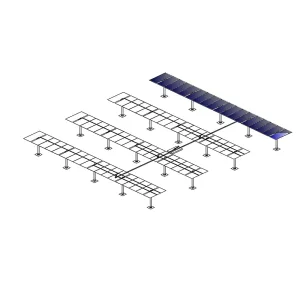
By integrating automated Single Axis Trackers, utility sites can increase energy yield by up to 25% compared to fixed-tilt installations. The mechanical structure tracks the sun's trajectory dynamically, ensuring perpendicular light angles all day.
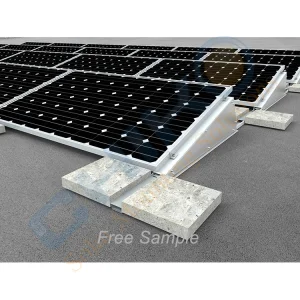
Designed for commercial structures where roof penetration is prohibited. We construct customized aerodynamic wind-deflecting ballast assemblies that secure panels under heavy wind loads using non-invasive weights.
Waterproof, corrosion-resistant flexible and folding modules engineered with specialized polymers (ETFE/marine-grade backsheets) to withstand high humidity and saline exposure on yachts, boats, and floating arrays.
Staying ahead of the curve with next-generation materials, cell structures, and smart integration methods.
The solar market is in the midst of a critical technological shift. Legacy p-type PERC technology is rapidly being replaced by n-type alternatives, primarily TOPCon and Heterojunction (HJT) cells. N-type silicon features nearly zero light-induced degradation and possesses a superior temperature coefficient (down to -0.30%/°C), meaning it loses less efficiency at high operating temperatures. This is a game-changer for installations in hot arid regions where solar potential is highest.
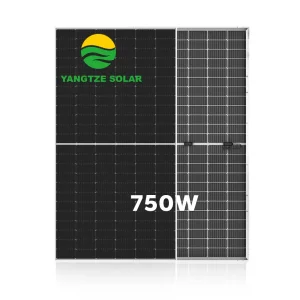
Simultaneously, bifaciality has become a baseline requirement for utility-scale developments. Bifacial modules generate power from both sides by absorbing reflected light (albedo) from the ground. When installed over light-colored terrains (like sand or gravel), bifacial gains can boost total energy output by an additional 10% to 30%, drastically improving project financial projections.
Get direct answers regarding logistics, warranties, structural capabilities, and compliance metrics.
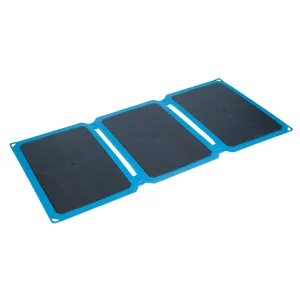
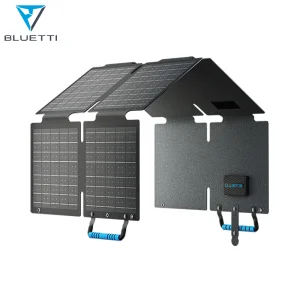
Explore our line of lightweight portable modules, single-axis trackers, off-grid kits, and specialized outdoor components.
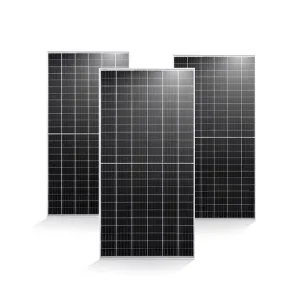

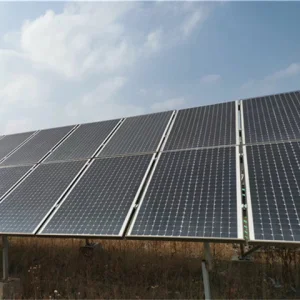
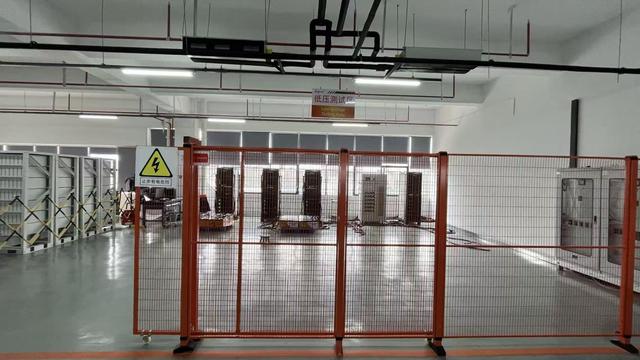
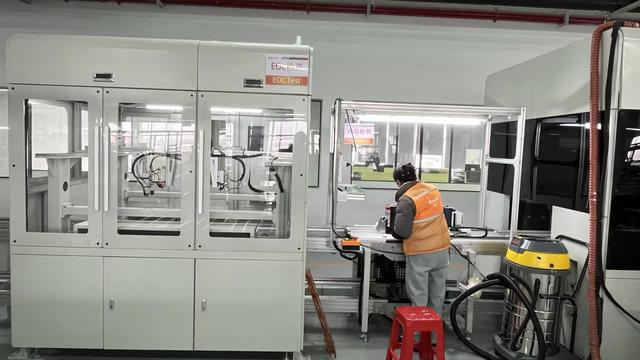
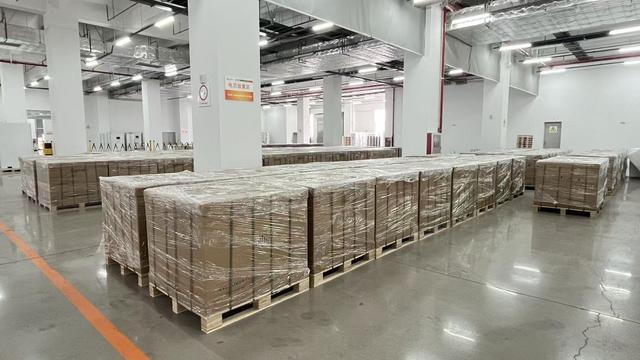
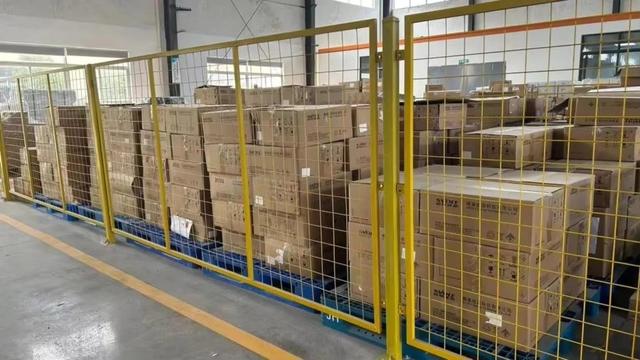
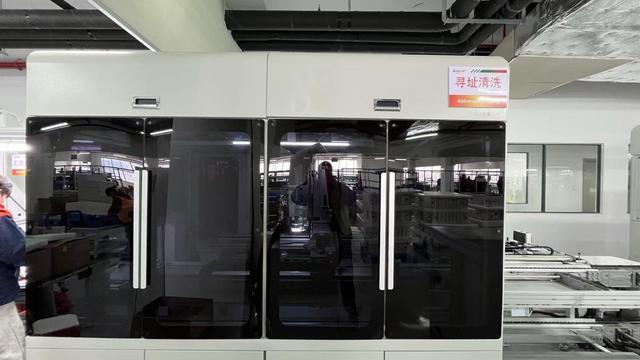
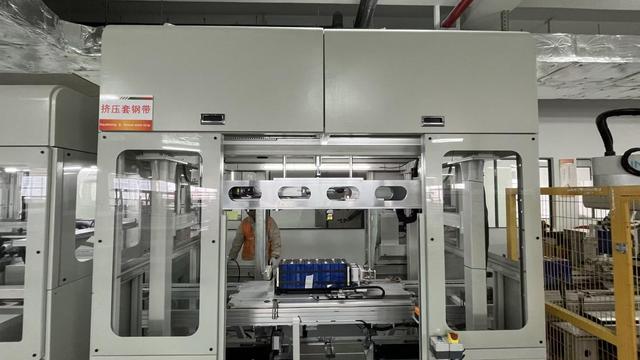
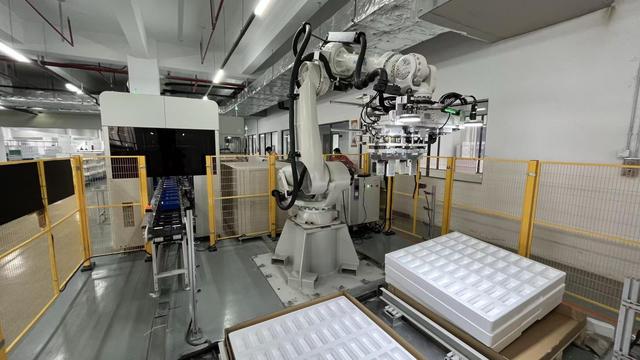
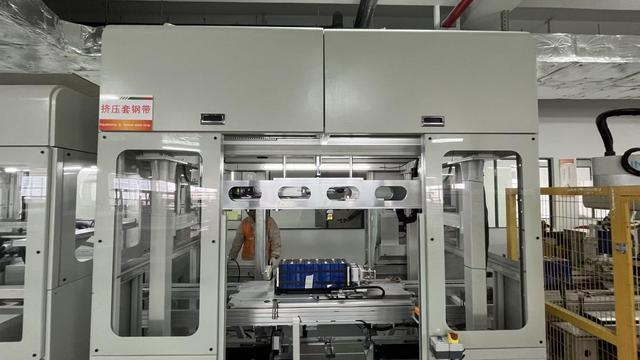
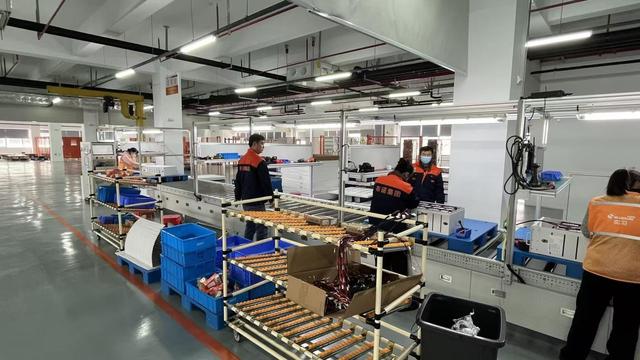
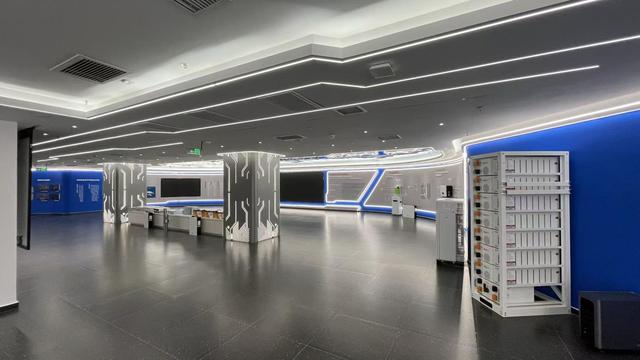
A glimpse inside our automated production line, advanced testing chambers, and warehousing facilities in Ningbo, China.
 Halkirk Solar