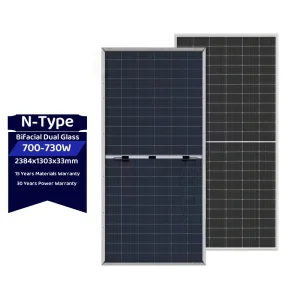
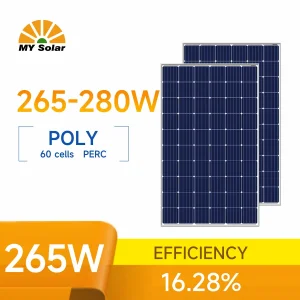
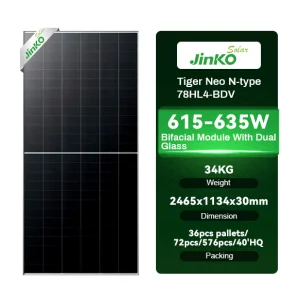
Premium N-Type TOPCon & Bifacial Monocrystalline PV Technology Tailored for the Mediterranean Solar Boom
Engineered for high solar irradiance, extreme ambient heat, and salty coastal conditions. Explore our flagship models designed to meet ADMIE and HEDNO grid regulations.
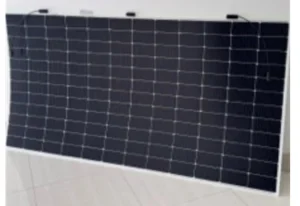
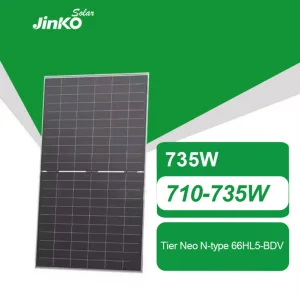
An Analytical Whitepaper on Regulatory Transitions, Climatic Demands, and Monocrystalline Adoption in the Hellenic Republic.
Greece has rapidly positioned itself as a solar energy powerhouse in Southern Europe. The updated National Energy and Climate Plan (NECP) targets a cumulative installed photovoltaic capacity of 14.1 GW by 2030, escalating to over 34 GW by 2050. This aggressive decarbonization pathway, driven by the phase-out of lignite power plants in Western Macedonia and Megalopoli, has triggered massive investments in residential, commercial & industrial (C&I), and utility-scale PV assets.
Key regulatory frameworks have shifted from historically rigid feed-in tariffs to auction-based systems and, crucially, corporate Power Purchase Agreements (PPAs). In the distributed generation segment, the Greek Ministry of Environment and Energy enacted Law 5037/2023, which transitioned the market from classic net metering to net billing. Under this regime, excess energy injected into the grid is compensated at market values rather than 1:1 energy offsets. This shift heavily incentivizes solar power optimization and requires systems to maximize instantaneous self-consumption, which demands solar modules with high performance and low degradation rates.
While Greece offers excellent solar resources with annual solar irradiation ranging from 1400 kWh/m² in the north to over 1900 kWh/m² in Crete and the Aegean Islands, it also presents distinct environmental challenges that can accelerate module degradation and compromise yield:
Evaluating PV Technologies for Hellenic Climate Resilience and LCOE Optimization
| Parameter | P-Type PERC Monocrystalline | N-Type TOPCon Monocrystalline | N-Type HJT Monocrystalline |
|---|---|---|---|
| Cell Efficiency (Mass Prod.) | 22.8% – 23.2% | 25.0% – 26.2% | 25.8% – 26.8% |
| Temperature Coefficient | -0.35% / °C | -0.30% / °C | -0.26% / °C |
| Bifaciality Factor | 70% ± 5% | 80% ± 5% | 85% ± 5% |
| First-Year Degradation | < 2.0% | < 1.0% | < 1.0% |
| Annual Linear Degradation | 0.55% | 0.40% | 0.37% |
| Greece Environment Matching | Moderate (Cost-driven Roofs) | Excellent (Utility & C&I) | Outstanding (High Heat & Island) |
The Greek solar market has transitioned completely to high-performance monocrystalline silicon, leaving polycrystalline technologies obsolete. Monocrystalline cells, manufactured using the Czochralski process, feature a uniform, single-crystal structure that allows electrons a freer path of movement, resulting in significantly higher conversion efficiency. Combined with advanced cell passivation techniques such as Tunnel Oxide Passivated Contact (TOPCon) and Heterojunction (HJT) technologies, modern monocrystalline solar panels represent the most efficient way to maximize energy production per square meter.
Given the constraints on grid capacity managed by HEDNO (Hellenic Electricity Distribution Network Operator), project approvals in Greece are often capped by connection capacity rather than physical land footprint. Maximizing power density is therefore crucial. Installing high-power monocrystalline modules (e.g., 600W to 730W variants) allows developers to generate maximum energy within restricted grid connection allocations, optimizing financial returns on capital investment.
Securing Seamless EPC Deliveries via the Maritime Silk Road to the Port of Piraeus
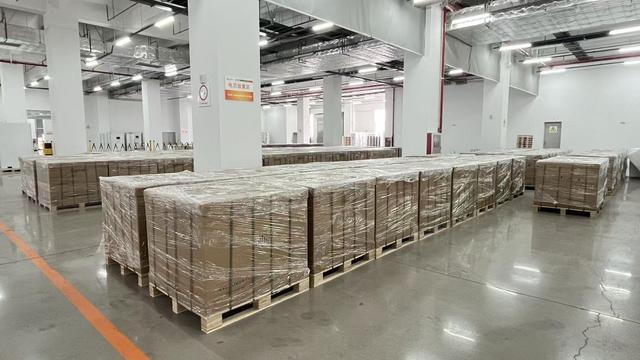
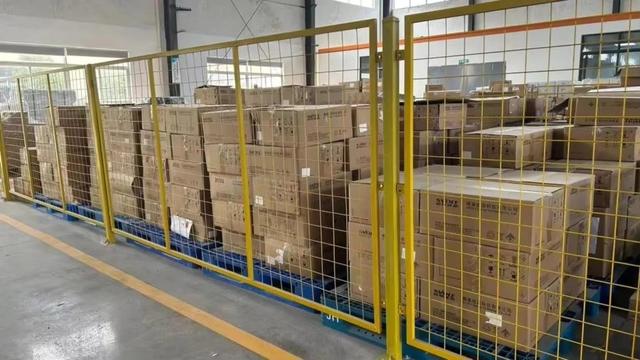
Situated in Ningbo, China—home to the world's top-tier deep-water port—Halkirk Solar leverages direct maritime logistics. Ships route directly from Ningbo Port through the Suez Canal to the Port of Piraeus, the leading entry hub for Southern and Eastern Europe, ensuring containerized module deliveries with transit times of 22 to 28 days.
Every monocrystalline module exported to Greece complies with EU standards. We provide complete documentation portfolios, including CE Marking, TUV Rheinland Certification, IEC 61215 & IEC 61730, and registrations under WEEE directives. Our processes ensure swift customs clearance at Greek ports.
We work with leading international inspection bodies and offer product and linear power warranties of 25 to 30 years. Our partnerships with Tier 1 component manufacturers guarantee long-term system performance and bankability for project financing with Greek banks (e.g., Piraeus Bank, National Bank of Greece, Eurobank).
From residential installations in Athens to large-scale utility farms in Thessaly, choose from our premium selection of monocrystalline modules featuring certified performance and long-term warranties.
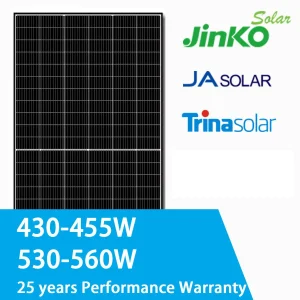
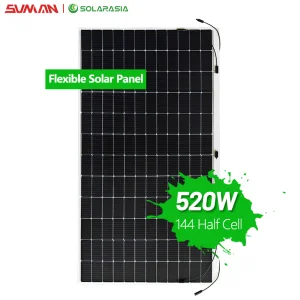
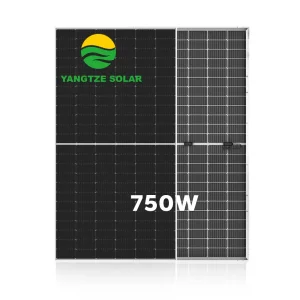
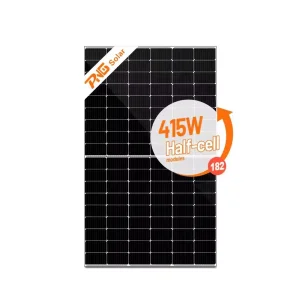
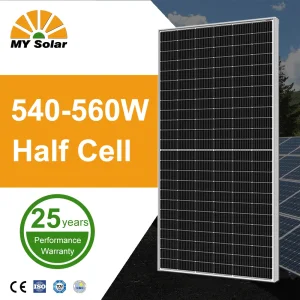
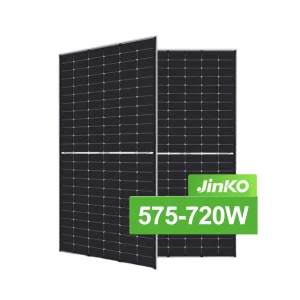
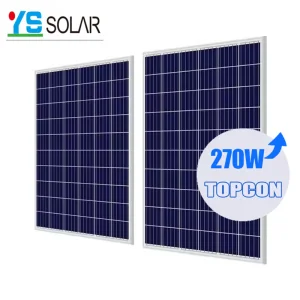
Optimized for harsh environments, specialized architectural integration, and utility-scale installations across Greece.
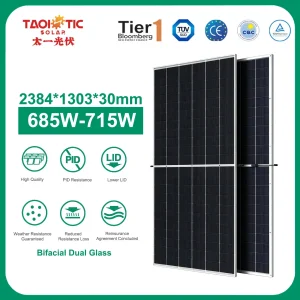
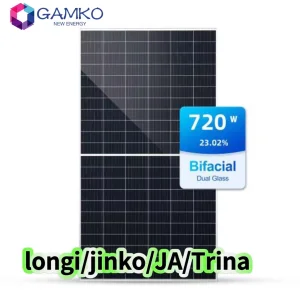
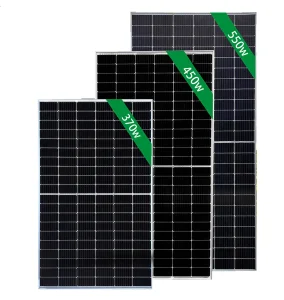
Your Trusted Partner for Monocrystalline & Bifacial PV Module Exports
Ningbo Halkirk Solar Co., Ltd. is a professional China solar panel manufacturer and monocrystalline & bifacial solar module supplier, dedicated to delivering high-efficiency renewable energy solutions to customers worldwide. Located in Ningbo, China, the company integrates research and development, manufacturing, quality control, and global sales to provide reliable solar products for residential, commercial, industrial, and utility-scale applications.
Halkirk Solar specializes in the production of monocrystalline solar panels, bifacial solar modules, TOPCon solar panels, N-type solar modules, off-grid solar solutions, on-grid solar systems, and customized photovoltaic products. Leveraging advanced cell technology and intelligent manufacturing processes, our products are designed to maximize energy output, improve conversion efficiency, and ensure long-term performance in diverse environmental conditions.
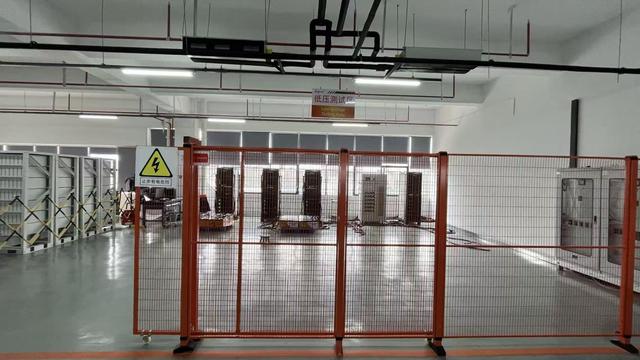
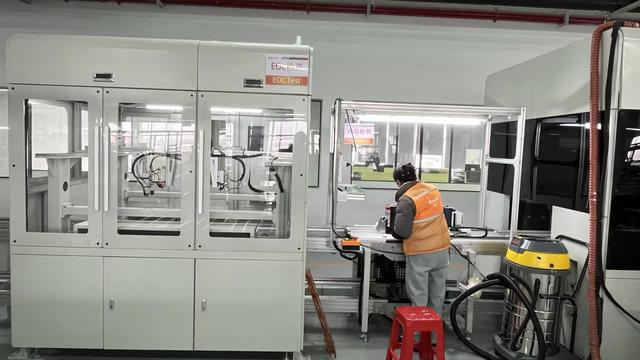
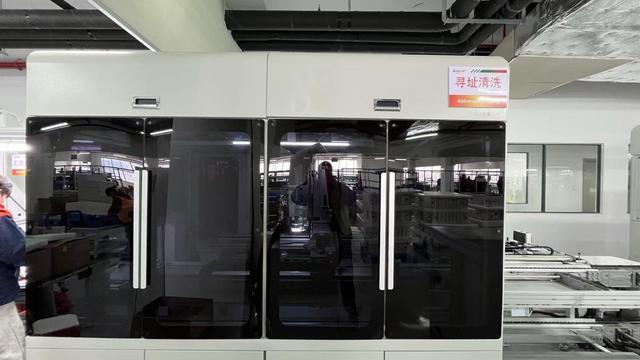
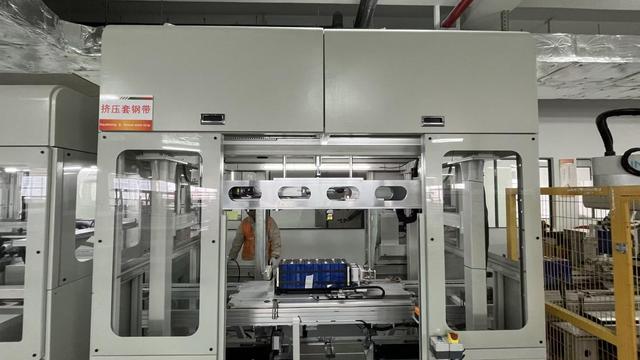
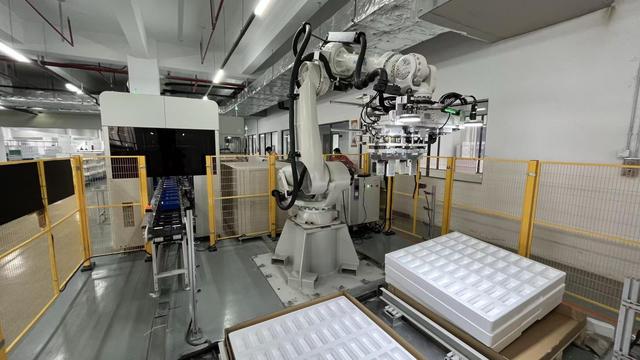
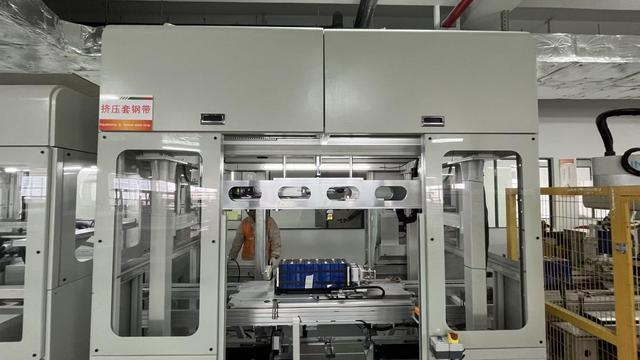
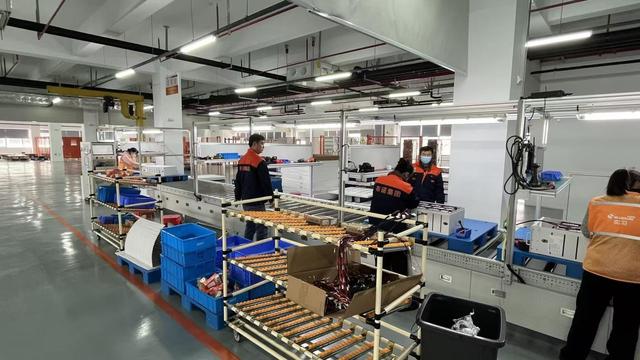
Our modern manufacturing facility is equipped with automated production lines, precision testing equipment, and strict quality management systems. Every solar module undergoes comprehensive inspections and performance testing to guarantee superior reliability, durability, and compliance with international standards. We are committed to providing products that meet the evolving demands of the global renewable energy market.
To better serve international customers, Halkirk Solar offers flexible OEM and ODM services for solar brands, distributors, EPC contractors, wholesalers, and project developers. Our experienced engineering and technical teams work closely with clients to deliver customized solar solutions tailored to specific project requirements, market demands, and branding needs.
Driven by innovation, sustainability, and customer satisfaction, Ningbo Halkirk Solar Co., Ltd. continues to expand its presence in global markets. We strive to become a trusted partner in the photovoltaic industry by providing high-quality solar modules and comprehensive clean energy solutions that contribute to a greener and more sustainable future.
Expert insights on importing, technical compliance, and local deployment requirements in Greece.
To import photovoltaic modules into Greece, products must comply with European Union directives. The essential requirements include CE marking, IEC 61215 (design qualification and type approval), and IEC 61730 (safety qualification). Additionally, registration under the Waste Electrical and Electronic Equipment (WEEE) Directive is required. Halkirk Solar provides a complete compliance portfolio with every shipment, ensuring trouble-free customs clearance and grid connection approvals with ADMIE or HEDNO.
N-Type TOPCon technology features an ultra-low temperature coefficient of -0.30%/°C, compared to conventional P-type PERC modules which average -0.35%/°C or higher. During peak summer in regions like Thessaly, where module operating temperatures can exceed 70°C, our TOPCon panels experience significantly less power loss. This ensures higher power output during peak generation hours, directly improving the return on investment (ROI) under the Greek net-billing framework.
Deployments in the Aegean Islands expose solar panels to salt mist, high relative humidity, and sandy winds. Double-glass modules replace the polymer backsheet with tempered glass, providing high resistance to salt corrosion, sand abrasion, and water vapor ingress. The double-glass structure also offers superior PID resistance. Furthermore, the high albedo of the rocky, dry terrain in these locations enables the backside of the module to capture reflected light, boosting energy yields by up to 25%.
Shipments depart from Ningbo Port (China) and typically route through the Suez Canal directly to the Port of Piraeus (Athens, Greece). Ocean transit times generally range from 22 to 28 days. From Piraeus, land transport can quickly distribute modules to project sites across mainland Greece, or via regional ferry networks to island sites.
Yes. We provide comprehensive OEM and ODM solutions for Greek EPCs, local brands, and solar distributors. This includes customized packaging, customized frame specifications (such as all-black aesthetics for historic architectural zones), and custom electrical ratings to match specific local grid inverter profiles.
Our monocrystalline modules come with a 12 to 15-year product workmanship warranty and a 25 to 30-year linear performance warranty. We guarantee that N-type TOPCon modules will retain at least 87.4% of their nominal output power at year 30, supported by our strict quality control systems and third-party inspection certificates.
Optimize your project yields and lower LCOE with our premium monocrystalline solar panels. Contact our technical team today for customized quotations, logistics solutions, and full compliance documentation.
 Halkirk Solar