Pioneering High-Yield PV Solutions engineered to overcome high ambient temperatures and desert dust deposition.
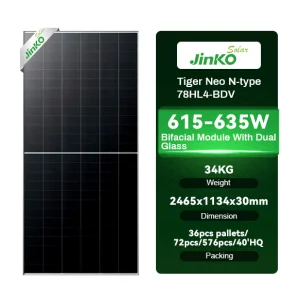
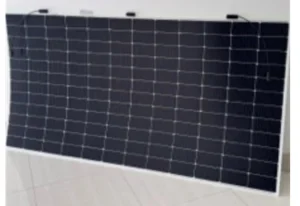
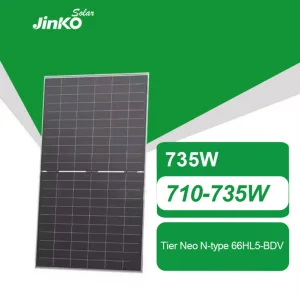
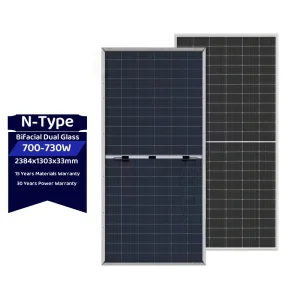
Israel's National Energy Plan aims to achieve 30% of electricity generation from renewable sources by 2030. In order to realize this ambitious target within a geographically limited landscape, high-density energy conversion is not just preferred—it is a technical necessity. Monocrystalline silicon modules remain the absolute benchmark due to their superior efficiency profiles, but the real transition lies in the shift from legacy P-Type PERC cells to advanced N-Type architectures (TOPCon and Heterojunction - HJT).
For B2B project developers, EPC contractors, and system integrators in Israel, N-Type monocrystalline modules present critical physical advantages. P-Type modules are prone to Light Induced Degradation (LID) and LeTID, while N-Type cells completely eliminate LID risks, offering a vastly lower degradation rate (~0.4% annually versus ~0.7% for P-Type). This ensures that over a 30-year operational life cycle, energy yields remain consistently elevated, lowering the Levelized Cost of Energy (LCOE).
The Negev and Arava deserts offer peak solar irradiance but demand extreme resilience. Ambient temperatures regularly surpass 40°C, pushing solar cell operating temperatures well past 65°C. At these extremes, standard modules suffer severe power loss due to high negative temperature coefficients.
Ningbo Halkirk Solar’s N-Type TOPCon and HJT portfolios boast a temperature coefficient of -0.30%/°C and -0.26%/°C respectively. Compared to standard P-type PERC panels (-0.35%/°C), this yields up to 4% more energy during peak hot afternoon periods. In addition, our double-glass monocrystalline designs offer a higher heat dissipation factor and outstanding anti-PID (Potential Induced Degradation) performance under high humidity and heat, crucial for both desert utility farms and coastal installations near Haifa, Tel Aviv, and Ashdod.
Bifacial solar technology is transforming the economics of utility-scale projects in Israel. By utilizing the reflective properties of the ground surface (albedo), bifacial double-glass modules generate power from both sides. In sandy desert areas like the Negev, which exhibit a high albedo coefficient (0.35 to 0.45), Halkirk Solar's N-type double-glass monocrystalline panels can achieve an additional 15% to 25% energy gain compared to standard monofacial panels.
Our panels feature robust dual-glass encapsulation with POE (Polyolefin Elastomer) rather than EVA. POE offers far superior water vapor resistance and chemical stability, preventing moisture ingress in humid coastal plains and neutralizing the corrosive effects of airborne salt spray. This is an essential engineering consideration for installations located along the Mediterranean coast and the Dead Sea basin.
High-density HJT and TOPCon double-glass modules withstand sand abrasion, high UV exposure, and extreme daytime temperature swings, maximizing generation yields in remote desert locations.
Anti-corrosive, salt-spray resistant monocrystalline panels ideal for commercial roofs in industrial hubs like Haifa and Ashdod, offering severe chemical durability and fireproof ratings.
Specially engineered light-transmitting bifacial modules that support crop growth beneath while generating stable green electricity, supporting Israel's agricultural tech innovations.
Ningbo Halkirk Solar Co., Ltd. operates a premier manufacturing footprint in Ningbo, China. Positioned at the center of the world's most robust photovoltaic industrial cluster, we leverage continuous automation, automated optical inspection (AOI), and artificial intelligence-driven defect detection to produce tier-one quality monocrystalline modules. Our Industry 4.0 factory architecture integrates the entire value chain—from silicon ingot processing, cell slicing, to final module lamination and packing.
By retaining strict vertical integration, we guarantee component compatibility and structural integrity. Every batch of cells undergoes two distinct Electroluminescence (EL) tests: first immediately after stringing, and second after structural lamination. This meticulous inspection routine prevents micro-cracks, hot spots, and inactive cell segments from slipping into the finished product, protecting the long-term asset value of our Israeli customers' projects.
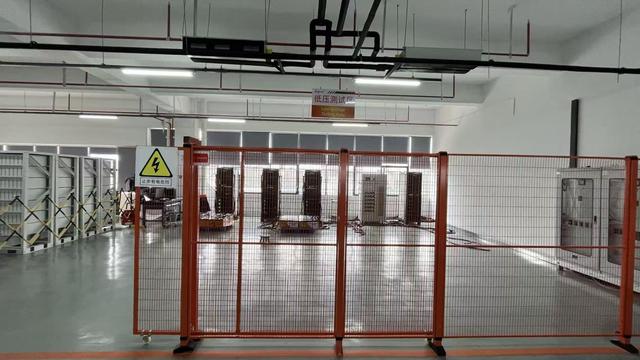
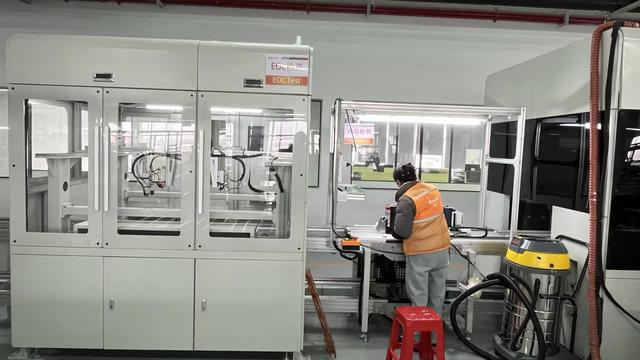
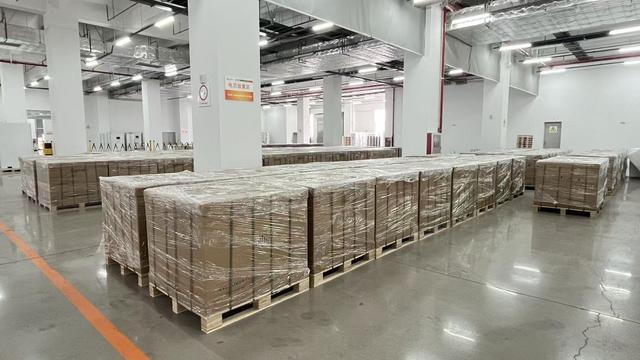
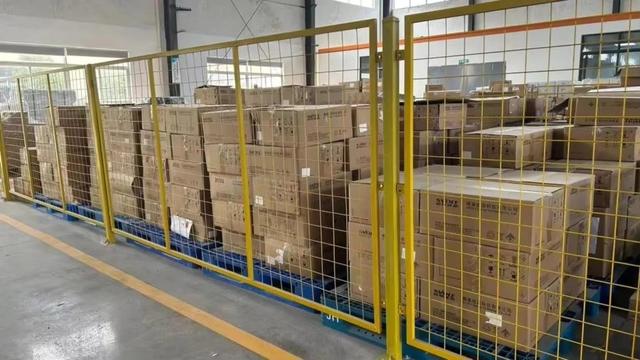
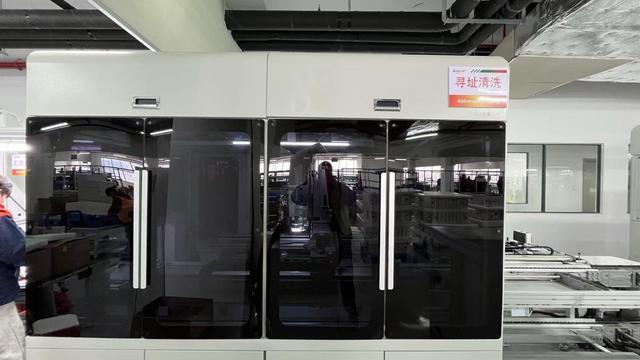
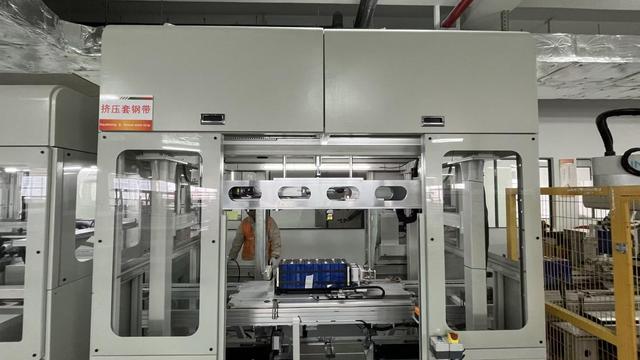
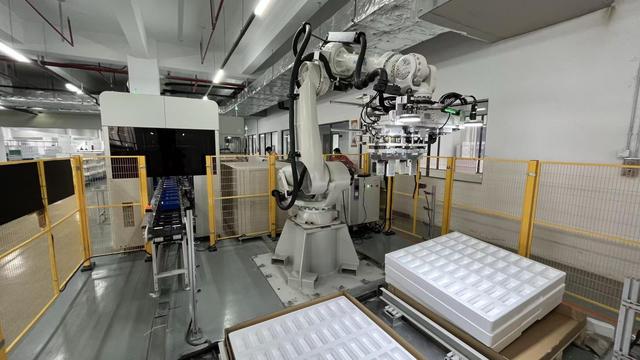
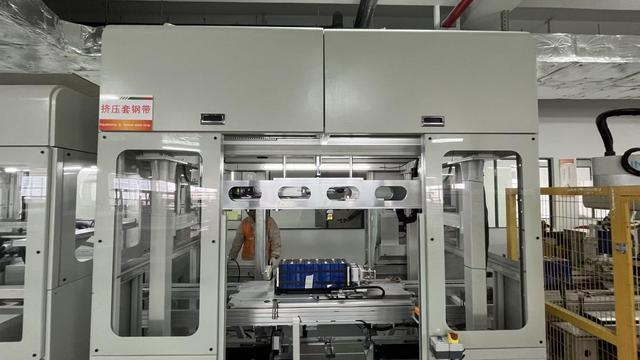
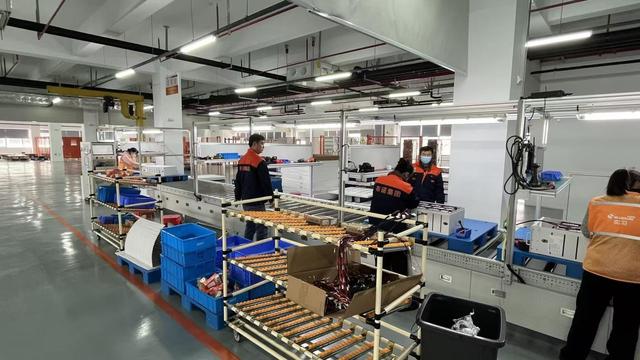
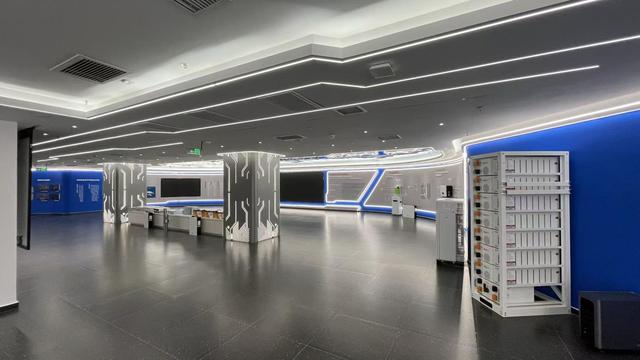
Furthermore, Ningbo's geographical location adjacent to one of the world’s largest deep-water ports ensures unmatched logistics speed. Halkirk Solar coordinates seamless shipping routing options directly from Ningbo Port to Ashdod or Haifa Port. We provide comprehensive import documentation, compliance certificates, and technical datasheets to ensure rapid customs clearance and smooth SII (Standards Institution of Israel) testing.
Explore our complete product lineup including all standard and customized variants tailored for commercial and utility deployments.
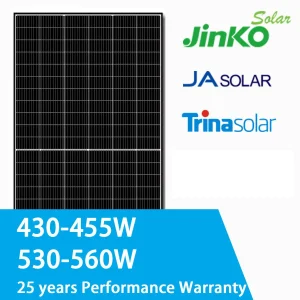
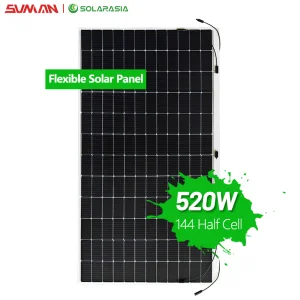
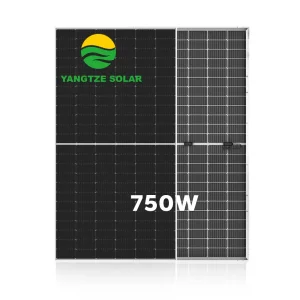
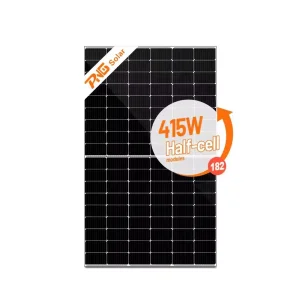
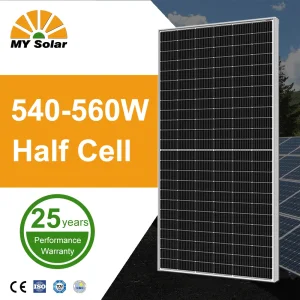
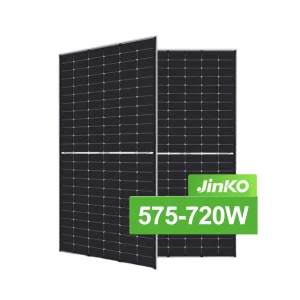
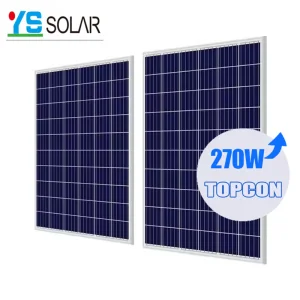
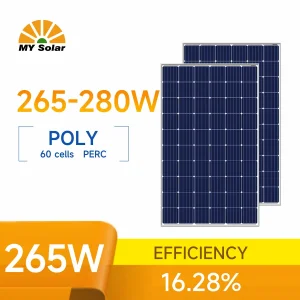
Providing custom dimensional and physical profiles for specialized architectural, off-grid and high-capacity microgrid systems in Israel.
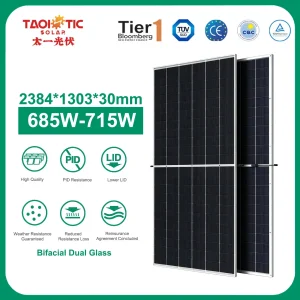
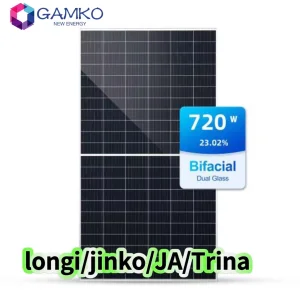
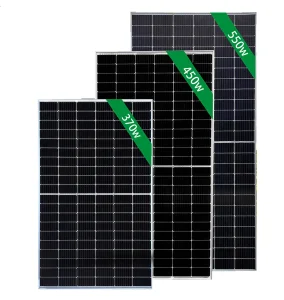
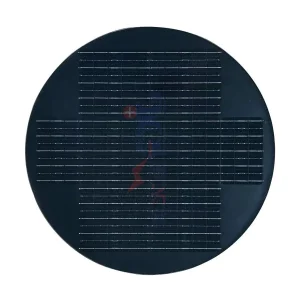
Ningbo Halkirk Solar Co., Ltd. is a professional China solar panel manufacturer and monocrystalline & bifacial solar module supplier, dedicated to delivering high-efficiency renewable energy solutions to customers worldwide. Located in Ningbo, China, the company integrates research and development, manufacturing, quality control, and global sales to provide reliable solar products for residential, commercial, industrial, and utility-scale applications.
Halkirk Solar specializes in the production of monocrystalline solar panels, bifacial solar modules, TOPCon solar panels, N-type solar modules, off-grid solar solutions, on-grid solar systems, and customized photovoltaic products. Leveraging advanced cell technology and intelligent manufacturing processes, our products are designed to maximize energy output, improve conversion efficiency, and ensure long-term performance in diverse environmental conditions.
Our modern manufacturing facility is equipped with automated production lines, precision testing equipment, and strict quality management systems. Every solar module undergoes comprehensive inspections and performance testing to guarantee superior reliability, durability, and compliance with international standards. We are committed to providing products that meet the evolving demands of the global renewable energy market.
To better serve international customers, Halkirk Solar offers flexible OEM and ODM services for solar brands, distributors, EPC contractors, wholesalers, and project developers. Our experienced engineering and technical teams work closely with clients to deliver customized solar solutions tailored to specific project requirements, market demands, and branding needs.
Driven by innovation, sustainability, and customer satisfaction, Ningbo Halkirk Solar Co., Ltd. continues to expand its presence in global markets. We strive to become a trusted partner in the photovoltaic industry by providing high-quality solar modules and comprehensive clean energy solutions that contribute to a greener and more sustainable future.
Key information regarding international standards, shipping parameters, and technological specifications for Israeli importers.
Importing solar panels into Israel requires compliance with international safety and quality standards, specifically IEC 61215 (design qualification and type approval) and IEC 61730 (photovoltaic module safety qualification). Additionally, products must hold approval from the Standards Institution of Israel (SII). Halkirk Solar provides full documentation packages, including TUV Rheinland/SUD certifications, CE declarations, and factory inspection reports to expedite local Israeli compliance approvals.
The Negev desert is characterized by high ambient temperatures. Standard P-type PERC panels suffer from a high temperature coefficient (-0.37%/°C to -0.40%/°C), which reduces efficiency as temperatures rise. N-type TOPCon panels feature a much lower temperature coefficient (-0.30%/°C) and completely eliminate Light Induced Degradation (LID). This ensures that during peak sunlight periods when local cell temperatures exceed 65°C, TOPCon modules deliver up to 4% more energy output than their PERC counterparts.
Shipments depart directly from Ningbo Port, one of the world's most efficient logistics centers. Ocean transit to Ashdod Port or Haifa Port generally takes 25 to 35 days under normal shipping conditions. Halkirk Solar handles all export customs clearance in China, providing bills of lading, detailed packing lists, certificates of origin, and custom declarations to ensure your local logistics agent can execute seamless import clearance.
Bifacial double-glass modules generate electricity from both sides. Ground reflectivity (albedo) determines the yield gain on the rear side. Dry sand in desert areas offers an albedo coefficient of approximately 35% to 45%. This allows our double-glass monocrystalline panels to generate a 15% to 22% additional energy yield compared to standard single-glass modules, greatly accelerating project payback periods (ROI).
Salt mist corrosion is a major risk factor for coastal installations. Our solar modules undergo rigorous salt spray testing in accordance with IEC 61701 parameters. We utilize high-grade POE (Polyolefin Elastomer) encapsulant materials and double-glass configurations instead of standard EVA and plastic backsheets. POE has a water vapor transmission rate that is 10 times lower than EVA, providing complete protection against corrosion, moisture ingress, and potential-induced degradation (PID).
Yes. Halkirk Solar provides flexible OEM and ODM manufacturing services. We can customize power outputs, mechanical framing specs (e.g., anodized aluminum with customized coatings), junction box layouts, cable lengths, and custom packaging. This is especially useful for integration with tracking systems (single-axis trackers) widely used in large-scale Israeli utility projects.
Our premium monocrystalline N-type modules carry a 12-year or 15-year limited product workmanship warranty, alongside a 30-year linear power performance warranty. We guarantee that the power output will not drop below 99% in the first year, with a maximum annual degradation of 0.4% from year 2 through year 30, leaving a minimum guaranteed power output of 87.4% at the end of the 30-year cycle.
Our panels are built with a high-strength, 35mm anodized aluminum alloy frame and 3.2mm tempered front glass (or 2.0mm + 2.0mm dual glass for bifacial modules). The structural design is certified to withstand a maximum front static load of 5400 Pa (equivalent to heavy snow and wind pressure) and a maximum rear static load of 2400 Pa (equivalent to high wind uplift forces), ensuring safety during desert sandstorms and winter gales.
Contact Ningbo Halkirk Solar’s engineering and sales team today to request structural specifications, commercial pricing, container logistics quotes, or customized OEM development proposals.
Send Inquiry Now Halkirk Solar