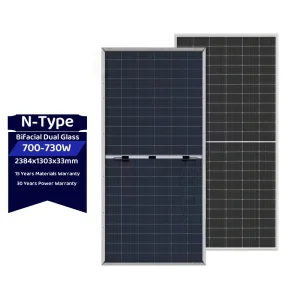
Featured high-efficiency tier-1 PV innovations optimized for urban real estate and grid compliance
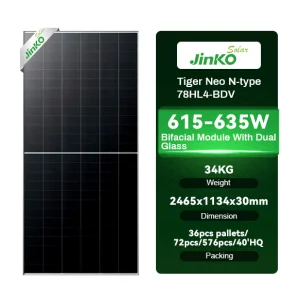
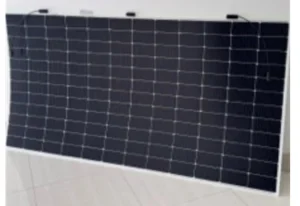
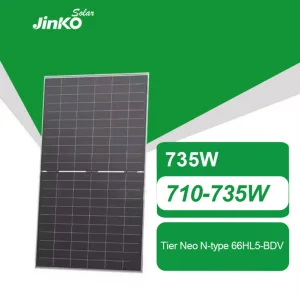
Strategic analysis of urban solar deployment under the 2025 Tokyo Metropolitan Government regulations
The Tokyo Metropolitan Area, as the economic engine of Japan, is undergoing an aggressive transition to clean energy. Spearheaded by the Tokyo Metropolitan Government (TMG) Decarbonization Mandate, starting in April 2025, newly constructed residential properties and mid-sized commercial structures (under 2,000 sqm) are required by law to install photovoltaic systems. This regulatory milestone transitions solar power from an optional environmental initiative into a fundamental municipal building requirement.
The "Carbon Half" initiative aims to halve Tokyo's greenhouse gas emissions by 2030 compared to 2000 levels. To support this target, municipal subsidies are heavily structured to favor high-efficiency Monocrystalline modules that deliver maximum power density under the constrained rooftop conditions typical of Tokyo's dense metropolitan layout.
This mandate addresses the unique structural challenges of Tokyo's urban landscape. Unlike utility-scale solar farms in outer prefectures like Chiba or Ibaraki, Tokyo proper demands rooftop solar installations (C&I and residential). Because space is at an absolute premium, the levelized cost of energy (LCOE) is heavily dependent on the output efficiency per square meter. Standard polycrystalline cells are no longer viable; instead, monocrystalline technologies (specifically N-Type TOPCon and HPBC) have become the default choice due to their superior conversion rates and performance profiles.
Engineering breakdown of silicon technologies under Kanto weather profiles
Tokyo experiences a humid subtropical climate (Köppen classification: Cfa). Summers are hot and exceptionally humid, with temperatures regularly exceeding 35°C in industrial hubs like Ota Ward and the port areas. This heat is a major driver of efficiency loss in solar PV systems due to thermal degradation. Our technical team has engineered a comparative analysis of the primary silicon cell architectures to guide Tokyo EPC companies and importers in selecting the right technology.
TOPCon has emerged as the industry's workhorse, offering a substantial step up from older P-type PERC technology. By utilizing an ultra-thin silicon oxide layer combined with highly doped polycrystalline silicon, TOPCon modules minimize recombination losses. For Tokyo developers, TOPCon delivers an exceptional temperature coefficient of -0.30%/°C, meaning that during peak mid-summer heatwaves, power generation remains stable when compared to traditional panels.
HJT combines crystalline silicon with amorphous silicon thin-film layers. This structure delivers a nearly symmetrical bifaciality factor (up to 90%), making HJT highly suitable for flat-roof industrial retrofits utilizing high-albedo white membrane roofs in locations along Tokyo Bay. Furthermore, HJT's low-temperature manufacturing process significantly reduces the carbon footprint of production, aligning with strict environmental ESG criteria of Japanese corporate buyers.
HPBC places all electrode contacts on the back of the cell, leaving the front completely unobstructed. This maximizes light absorption and provides a sleek, uniform all-black aesthetic. In Tokyo's upscale residential districts (such as Setagaya, Meguro, and Minato), where strict neighborhood aesthetic codes are common, HPBC all-black panels are highly preferred by luxury home builders for their architectural integration.
| Technical Metric | P-Type PERC (Legacy) | N-Type TOPCon | HJT (Heterojunction) | HPBC (Back Contact) |
|---|---|---|---|---|
| Cell Efficiency Limit | ~24.5% | ~28.7% | ~29.2% | ~29.1% |
| Bifaciality Factor | 70% - 75% | 80% - 85% | 85% - 90% | N/A (Mono-facial / Back Contact) |
| Temperature Coefficient | -0.35% / °C | -0.30% / °C | -0.26% / °C | -0.29% / °C |
| First-Year Degradation | 2.0% | 1.0% | 1.0% | 1.5% |
| Annual Degradation Rate | 0.55% | 0.40% | 0.37% | 0.40% |
How Ningbo Halkirk Solar ensures supply continuity, high manufacturing standards, and rapid transit
As a leading monocrystalline solar panel manufacturer and exporter based in Ningbo, China, Ningbo Halkirk Solar Co., Ltd. offers a strategic logistics advantage to the Japanese market. Our manufacturing facilities are located near the Port of Ningbo-Zhoushan, the world's largest port by cargo throughput. This location enables rapid and highly cost-effective maritime transit to the Port of Tokyo (Ohi, Aomi, and Shinagawa container terminals).
Leveraging direct weekly shipping lines from Ningbo to Tokyo, we minimize transit times. This rapid turnaround allows Japanese EPC contractors, project developers, and wholesalers to maintain lean local inventory systems, mitigating holding costs and reducing exposure to global shipping volatility.
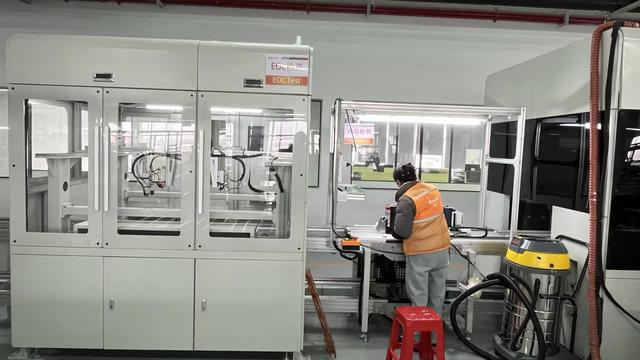
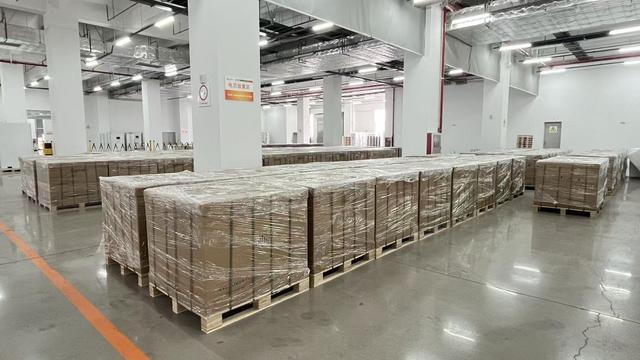
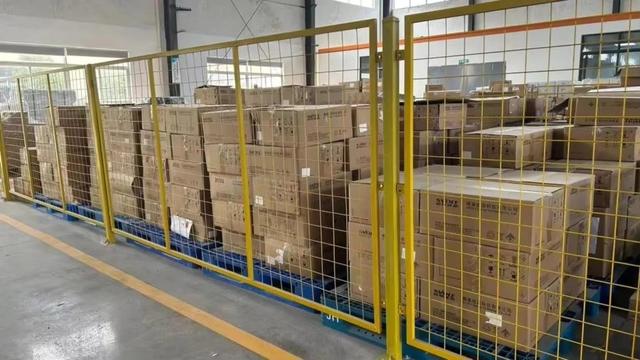
The mechanical stress of international sea shipping can introduce microcracks in PV cells, which leads to hot spots and premature failure. Halkirk Solar addresses this vulnerability through automated manufacturing lines equipped with dual EL (Electroluminescence) testing. We conduct EL scans before and after the lamination process. Furthermore, our packaging uses reinforced vertical shipping pallets that exceed standard sea freight requirements, ensuring that every monocrystalline module arrives in Tokyo with its structural integrity fully intact.
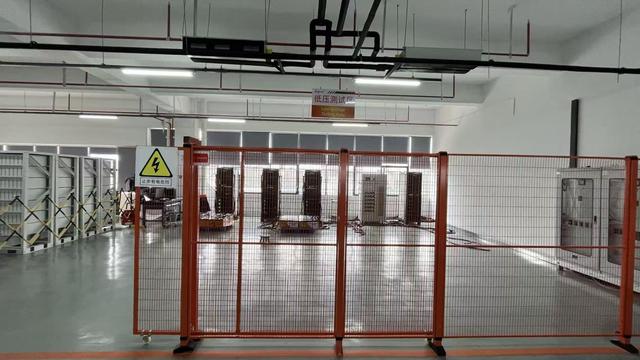
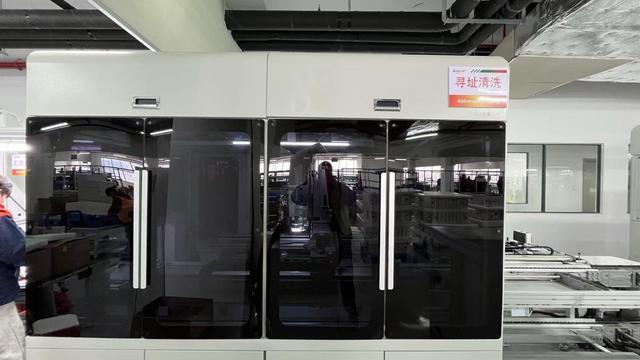
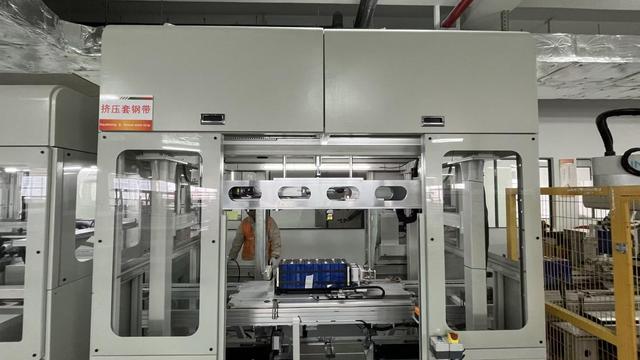
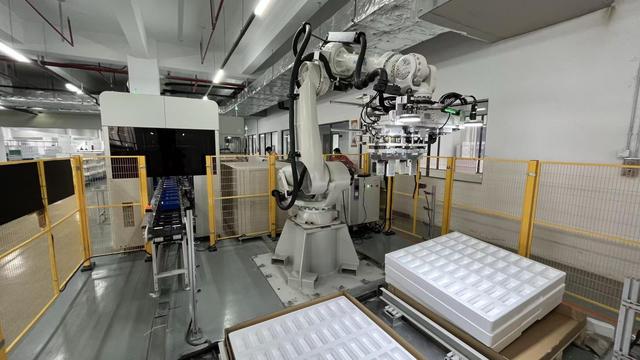
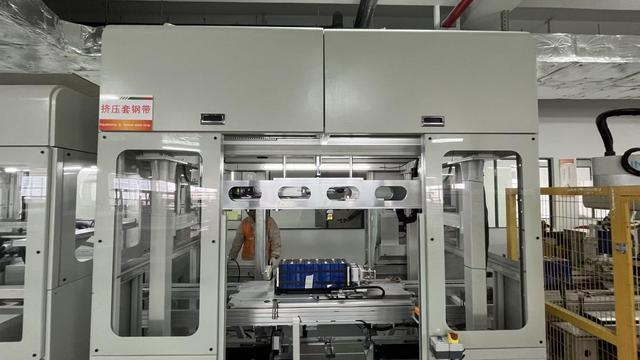
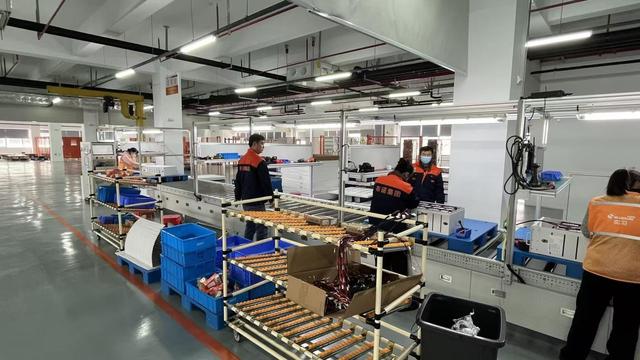
Our modern manufacturing facility utilizes smart automation and precision equipment. We provide flexible OEM and ODM services, allowing Japanese brands to customize specifications, frames, junction boxes, and cable lengths to meet local grid connection requirements.
Navigating METI approvals, JIS standards, and TEPCO grid requirements
Exporting photovoltaic equipment to Japan requires compliance with a rigorous regulatory framework. Ningbo Halkirk Solar ensures all monocrystalline and bifacial solar modules are fully compliant with local regulations, facilitating seamless customs clearance and grid interconnection.
Your Trusted OEM/ODM Partner for High-Efficiency Monocrystalline & Bifacial Photovoltaic Solutions
Ningbo Halkirk Solar Co., Ltd. is a professional China solar panel manufacturer and monocrystalline & bifacial solar module supplier, dedicated to delivering high-efficiency renewable energy solutions to customers worldwide. Located in Ningbo, China, the company integrates research and development, manufacturing, quality control, and global sales to provide reliable solar products for residential, commercial, industrial, and utility-scale applications.
Halkirk Solar specializes in the production of monocrystalline solar panels, bifacial solar modules, TOPCon solar panels, N-type solar modules, off-grid solar solutions, on-grid solar systems, and customized photovoltaic products. Leveraging advanced cell technology and intelligent manufacturing processes, our products are designed to maximize energy output, improve conversion efficiency, and ensure long-term performance in diverse environmental conditions.
Our modern manufacturing facility is equipped with automated production lines, precision testing equipment, and strict quality management systems. Every solar module undergoes comprehensive inspections and performance testing to guarantee superior reliability, durability, and compliance with international standards. We are committed to providing products that meet the evolving demands of the global renewable energy market.
To better serve international customers, Halkirk Solar offers flexible OEM and ODM services for solar brands, distributors, EPC contractors, wholesalers, and project developers. Our experienced engineering and technical teams work closely with clients to deliver customized solar solutions tailored to specific project requirements, market demands, and branding needs.
Driven by innovation, sustainability, and customer satisfaction, Ningbo Halkirk Solar Co., Ltd. continues to expand its presence in global markets. We strive to become a trusted partner in the photovoltaic industry by providing high-quality solar modules and comprehensive clean energy solutions that contribute to a greener and more sustainable future.
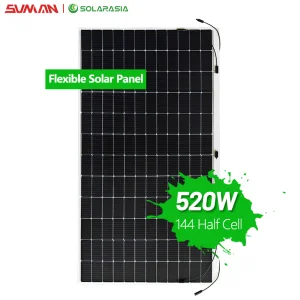
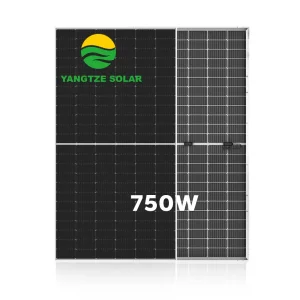
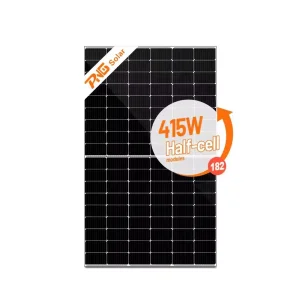
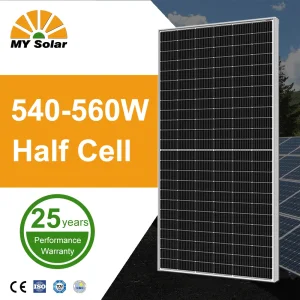
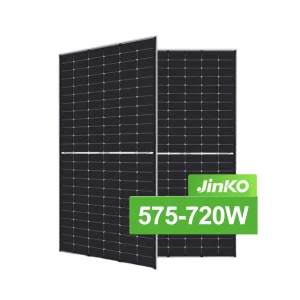
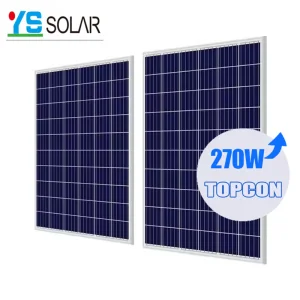
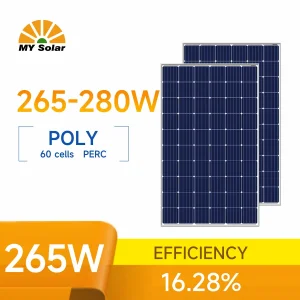
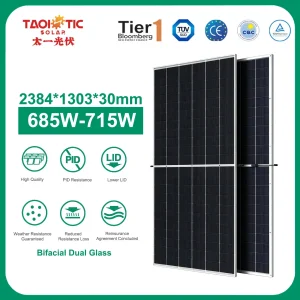
Comprehensive technical variants for residential, C&I, and utility-scale solar projects in Tokyo
Addressing key queries on exporting, compliance, and technical standards for Tokyo solar installations
 Halkirk Solar