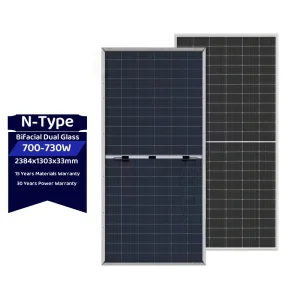
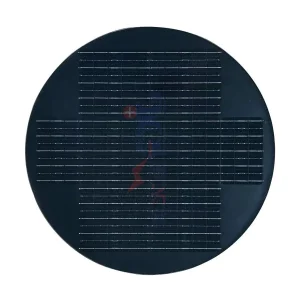
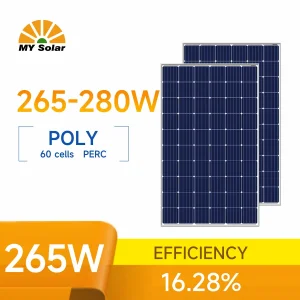
High-yield solar PV modules designed for off-grid communities, commercial microgrids, and local coastal utilities.
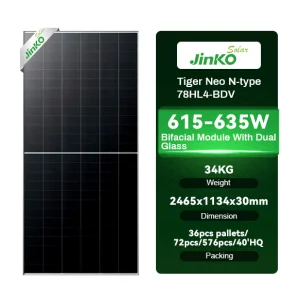
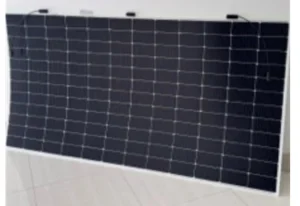
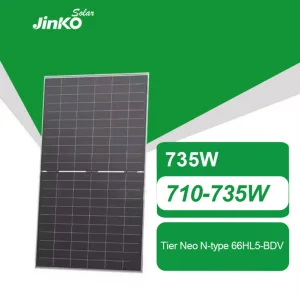
Kiribati, an archipelagic nation composed of 32 atolls and one raised coral island (Banaba), faces some of the most critical energy challenges globally. Historically dependent on imported petroleum fuels, the country's electrical grid configurations—particularly in South Tarawa and outer islands—have suffered from high operating expenses, supply chain vulnerabilities, and the ecological threat of rising sea levels. The Kiribati Integrated Energy Roadmap (KIER) underscores a national mandate to scale clean renewable generation to over 50% for South Tarawa and 100% for outer island communities.
To support this transition, solar photovoltaic (PV) generation, specifically via high-efficiency monocrystalline solar panels, serves as the primary technical pathway. However, the unique equatorial microclimate of the Gilbert, Line, and Phoenix Islands dictates specialized technological requirements. Standard solar installations face rapid degradation if not engineered to withstand persistent maritime exposure, high ambient relative humidity (typically exceeding 80% year-round), and localized salt mist deposition.
Technical Insight: Standard PV module encapsulation is highly prone to water vapor transmission in equatorial island regions. Ningbo Halkirk Solar Co., Ltd. implements dual-glass configurations paired with POE (Polyolefin Elastomer) encapsulation materials rather than traditional EVA, successfully preventing PID (Potential Induced Degradation) and safeguarding electrical circuits from galvanic corrosion.
Globally, solar technology has transitioned decisively from P-type PERC (Passivated Emitter and Rear Cell) technology to N-type TOPCon (Tunnel Oxide Passivated Contact) and HJT (Heterojunction) architectures. This technological pivot has increased commercial conversion efficiency beyond 22.5%, yielding better performance at higher temperatures. For Kiribati, this shift is critical because elevated ambient temperatures cause standard panels to suffer from thermal power loss. N-Type panels exhibit a lower temperature coefficient (-0.30%/°C) compared to older P-type technologies (-0.35%/°C or higher), maintaining optimal power production even during peak solar midday temperatures on Tarawa.
Supplying PV modules to the Kiribati market requires stringent manufacturing controls to mitigate the effects of the local environment. Commercial and industrial installations in places like Betio, Bairiki, or Kiritimati face several critical environmental threats:
Optimized dimensions, flexible form factors, and double-glass designs tailored for resilient microgrids.
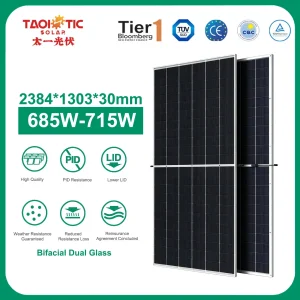
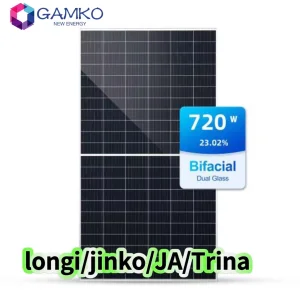
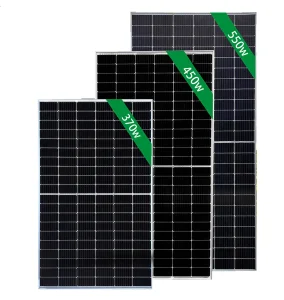
Industrial operations, municipal water desalination systems, and off-grid community systems require robust, high-performance PV arrays. To achieve this, Halkirk Solar integrates several specialized features into its monocrystalline module supply chain:
Microgrids in Tarawa require precise active and reactive power support. Utilizing smart, grid-forming inverters paired with N-type monocrystalline solar arrays ensures highly predictable power outputs, smoothing out fluctuations caused by cloud cover.
Junction boxes with IP68 ratings and potted silicone resin sealants are standard on our modules. This design prevents humid air and salt particles from penetrating the electrical bypass diodes, avoiding local short circuits.
N-type phosphorus doping eliminates the boron-oxygen complex responsible for classical LID (Light-Induced Degradation). This guarantees that the panels retain their rated capacity immediately post-installation and over their 30-year operational life.
Logistical reliability is a critical bottleneck in the Pacific solar market. Securing supply routes from manufacture to arrival at Tarawa Port (Betio) or London (Kiritimati) requires experienced operations. As an established solar exporter located in Ningbo, China—home to the world's busiest container port—Ningbo Halkirk Solar Co., Ltd. coordinates direct sea freight lanes to Kiribati ports, reducing the risk of transport delays.
Furthermore, our solar systems are manufactured under strict international certifications, including ISO 9001 for quality management, ISO 14001 for environmental management, and CE/TUV compliance. These certifications meet the verification requirements of major development bank tenders (such as the Asian Development Bank and World Bank) operating in the Pacific island regions.
Discover our comprehensive range of high-efficiency N-type, half-cell, and flexible PV products.
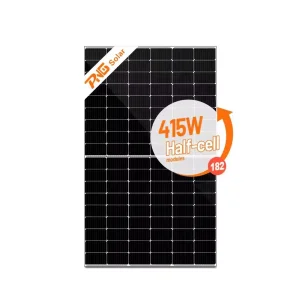
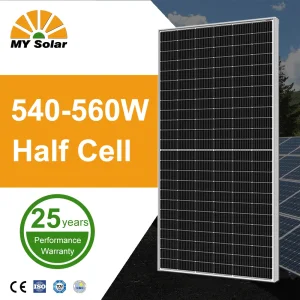
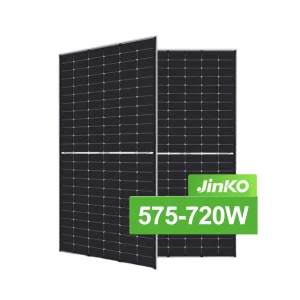
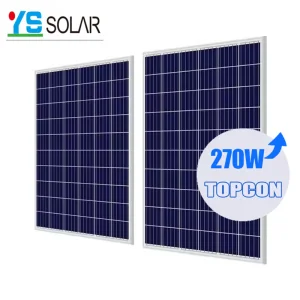
Leading Chinese Monocrystalline Solar Panel Manufacturer & Global OEM/ODM Partner.
Ningbo Halkirk Solar Co., Ltd. is a professional China solar panel manufacturer and monocrystalline & bifacial solar module supplier, dedicated to delivering high-efficiency renewable energy solutions to customers worldwide. Located in Ningbo, China, the company integrates research and development, manufacturing, quality control, and global sales to provide reliable solar products for residential, commercial, industrial, and utility-scale applications.
Halkirk Solar specializes in the production of monocrystalline solar panels, bifacial solar modules, TOPCon solar panels, N-type solar modules, off-grid solar solutions, on-grid solar systems, and customized photovoltaic products. Leveraging advanced cell technology and intelligent manufacturing processes, our products are designed to maximize energy output, improve conversion efficiency, and ensure long-term performance in diverse environmental conditions.
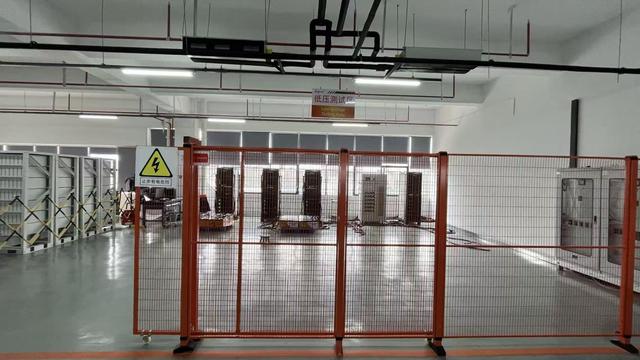
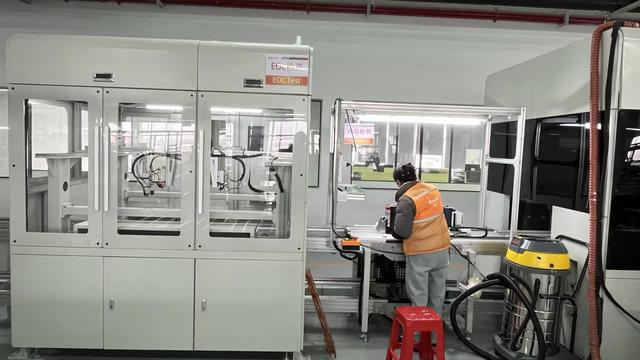
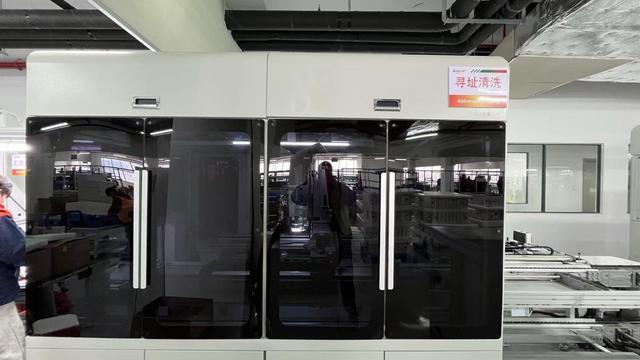
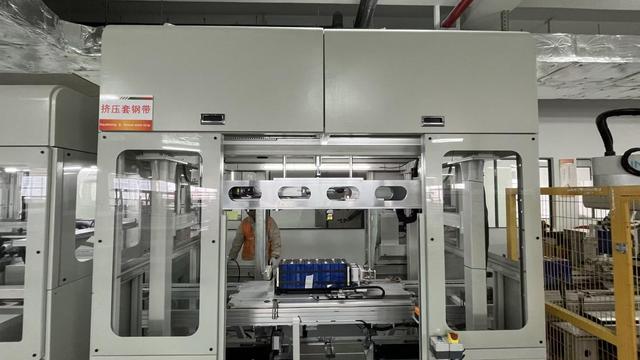
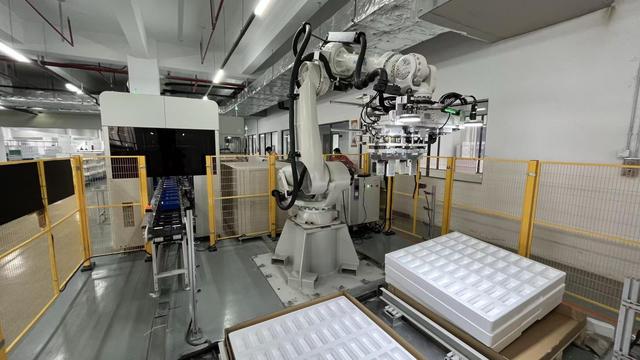
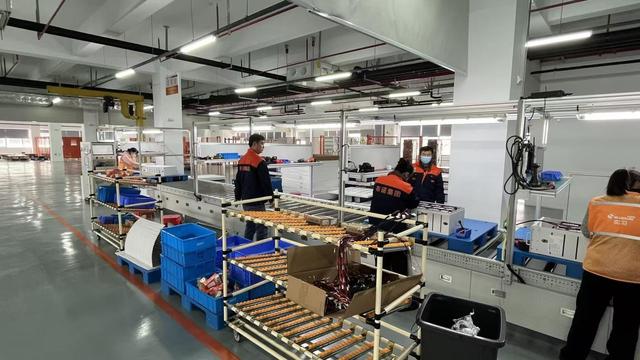
Our modern manufacturing facility is equipped with automated production lines, precision testing equipment, and strict quality management systems. Every solar module undergoes comprehensive inspections and performance testing to guarantee superior reliability, durability, and compliance with international standards. We are committed to providing products that meet the evolving demands of the global renewable energy market.
To better serve international customers, Halkirk Solar offers flexible OEM and ODM services for solar brands, distributors, EPC contractors, wholesalers, and project developers. Our experienced engineering and technical teams work closely with clients to deliver customized solar solutions tailored to specific project requirements, market demands, and branding needs.
Driven by innovation, sustainability, and customer satisfaction, Ningbo Halkirk Solar Co., Ltd. continues to expand its presence in global markets. We strive to become a trusted partner in the photovoltaic industry by providing high-quality solar modules and comprehensive clean energy solutions that contribute to a greener and more sustainable future.
Ningbo, Zhejiang, China
> 2.5 Gigawatts (GW)
OEM / ODM / Project Customization

Technical answers for solar developers, EPC contractors, and local distributors in Kiribati.
N-type monocrystalline panels (utilizing TOPCon or HJT cells) offer superior temperature coefficients (typically -0.30%/°C compared to -0.35%/°C or higher for P-type panels). In Kiribati's warm equatorial climate, N-type panels experience less thermal degradation and maintain higher energy yields during midday peak irradiance. Additionally, N-type panels do not suffer from Light-Induced Degradation (LID) and offer a higher bifaciality factor (up to 80-85%).
Our modules undergo strict testing for salt mist corrosion resistance in compliance with the international standard IEC 61701 (severity level 6). We use corrosion-resistant anodized aluminum frames (coating thickness >15μm) and IP68-rated junction boxes sealed with protective potting silicone. This helps prevent internal moisture and salt accumulation, reducing the risk of short circuits or frame failure.
Atoll soil and white coral sands provide a high albedo effect, reflecting a significant portion of sunlight. Bifacial double-glass monocrystalline panels capture this reflected light from the rear, generating up to 10% to 25% additional power. Furthermore, the dual-glass structure provides structural strength and acts as a barrier against water vapor ingress in humid island conditions.
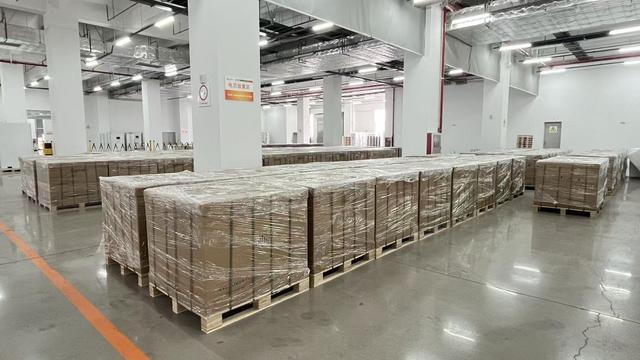
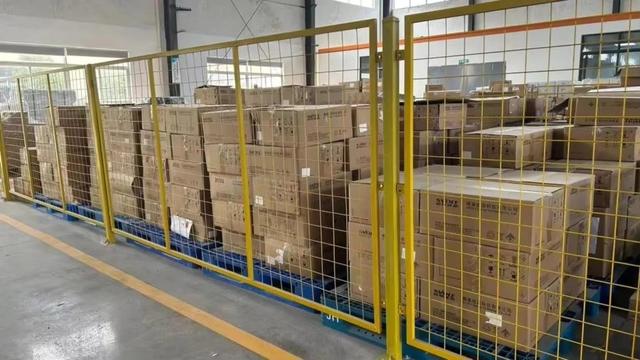
Our factory is located near Ningbo Port, allowing us to manage global maritime logistics efficiently. We arrange direct shipping routes to Tarawa Port (Betio) or London (Kiritimati), using heavy-duty export packaging designed to survive long ocean transits and heavy port handling.
Yes. We provide flexible OEM and ODM services. We customize dimensions, frame options, junction box connections, and panel outputs to match specific off-grid battery energy storage system (BESS) requirements or remote microgrid specifications.
 Halkirk Solar