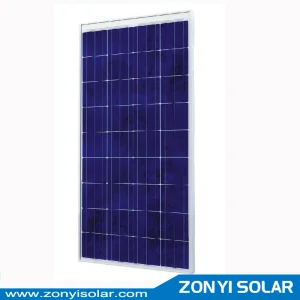
Engineered with high mechanical load tolerances, optimized for high albedo snowy terrains, and configured for extreme temperature stability.
Peak Cell Efficiency
Operational Lower Limit
Heavy Snow Load Tested
Linear Output Warranty
An analytical breakdown of Central Asia's largest economy shifting toward utility-scale PV infrastructure.
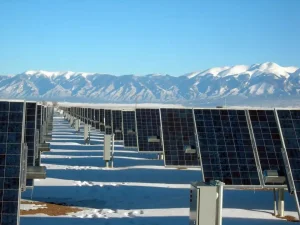
Kazakhstan, globally recognized for its extensive hydrocarbon resources, is undergoing a rapid clean energy transition. The country has set target limits for its decarbonization path, aiming for a 15% share of renewable energy in its national power grid by 2030, scaling up to carbon neutrality by 2060. However, the climatic challenges in Kazakhstan are unique and harsh. Ranging from sub-zero northern steppes (Astana, Karaganda) where winter temperatures drop below -40°C, to the high ambient heat of southern deserts (Shymkent, Zhambyl) exceeding +40°C, solar power systems face intense thermal stresses.
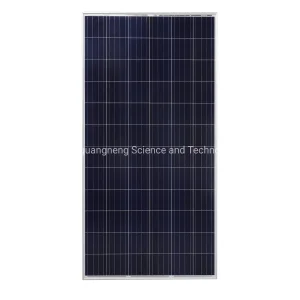
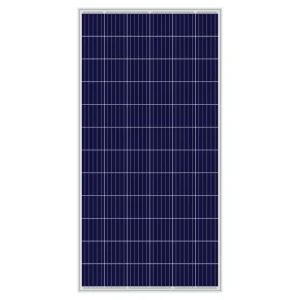
Historically, monocrystalline technology dominated high-density urban residential markets. However, for utility-scale developments, agricultural installations, and mining sites throughout Central Asia, polycrystalline solar panels represent an incredibly robust economic and thermal solution. Polycrystalline panels have a thermal performance characteristic that remains highly stable. Under low-temperature, high-albedo winter conditions (where ground snow reflects massive amounts of secondary light), polycrystalline installations paired with modern double-glass modules yield an exceptional return on investment (ROI) by avoiding the rapid micro-cracking common in brittle high-tension cell configurations.
Specially engineered silicon structures configured to prevent micro-fractures under rapid shift from daytime sun to overnight sub-zero freezes.
Custom structural backsheets and dual-glass technologies to harvest reflected light from heavy winter snow covers in Almaty region.
Strict engineering parameters aligned with Kazakhstan's KEGOC national grid standards for low harmonic distortion and surge immunity.
Why materials science dictates PV efficiency and lifespan in arid and high-altitude locations.
Operating a solar plant in regions like Kyzylorda or Mangystau exposes modules to high levels of wind-blown sand, abrasive dust particles, and intense ultraviolet radiation. The physical construction of the polycrystalline PV module must account for these environmental factors through robust structural engineering:
Traditional EVA (Ethylene Vinyl Acetate) encapsulation degrades rapidly under intense UV exposure and extreme thermal cycling. Our production line for the Kazakhstan market uses premium POE (Polyolefin Elastomer) encapsulation materials. POE offers up to ten times lower water vapor transmission rates (WVTR) and exceptional resistance to potential-induced degradation (PID), maintaining isolation values under deep frost conditions.
Kazakhstan's snow loads can exceed 5.4 kPa, particularly in the eastern regions. Our modules utilize structural-grade anodized aluminum frames with reinforced corners. The glass element features solar-grade, low-iron, tempered solar glass with an anti-reflective coating that improves light transmission while preventing surface scratching from sandstorms.
Polycrystalline cells operate with high efficiency when combined with high levels of direct solar radiation. As ambient temperatures drop, the output voltage of the cells increases. By optimizing the internal busbar connections (using 9BB, 10BB, and 12BB designs), we reduce electrical losses, allowing the system to output peak energy during cold, clear winter days.
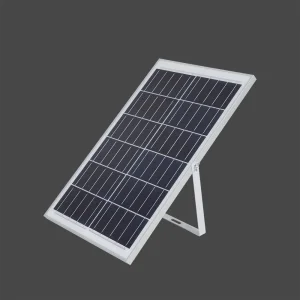
Engineered specifically for remote off-grid, agricultural water pumping, and harsh industrial environments across Kazakhstan.
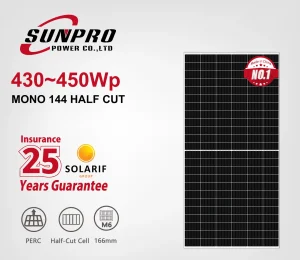
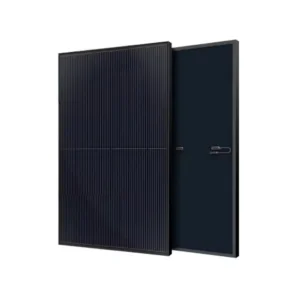

Seamless transport corridors and premium manufacturing integration from Ningbo to Almaty.
Logistical reliability is crucial for solar developers in Central Asia. Shipping bulky solar modules across transcontinental regions requires optimized transport channels. Halkirk Solar leverages the China-Kazakhstan Belt and Road Initiative (BRI) infrastructure, utilizing dry port hubs like the Khorgos Gateway and the Dostyk rail station. This allows us to guarantee direct, high-frequency transit lines from our modern Ningbo production facility directly to project hubs in Kazakhstan.
Through our intelligent Factory 4.0 system, we maintain production visibility, real-time quality logging, and precise delivery scheduling. The transit time via block trains from Ningbo directly to Almaty terminal typically spans 10 to 14 days, offering a faster and more cost-effective alternative to maritime detours or complex air-freight routes.
Furthermore, our logistics network provides dedicated container tracking, custom clear packaging for regional rail transfers, and localized customs documentation support, ensuring compliance with local import regulations.
A professional China solar panel manufacturer and monocrystalline & bifacial solar module supplier.
Ningbo Halkirk Solar Co., Ltd. is a professional China solar panel manufacturer and monocrystalline & bifacial solar module supplier, dedicated to delivering high-efficiency renewable energy solutions to customers worldwide. Located in Ningbo, China, the company integrates research and development, manufacturing, quality control, and global sales to provide reliable solar products for residential, commercial, industrial, and utility-scale applications.
Halkirk Solar specializes in the production of monocrystalline solar panels, bifacial solar modules, TOPCon solar panels, N-type solar modules, off-grid solar solutions, on-grid solar systems, and customized photovoltaic products. Leveraging advanced cell technology and intelligent manufacturing processes, our products are designed to maximize energy output, improve conversion efficiency, and ensure long-term performance in diverse environmental conditions.
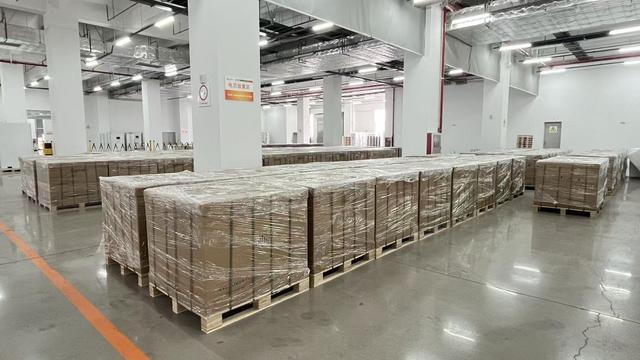
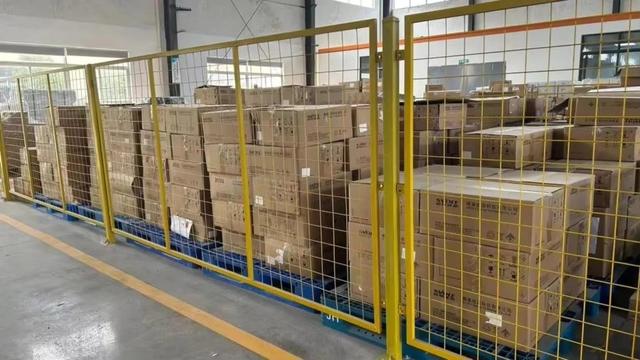
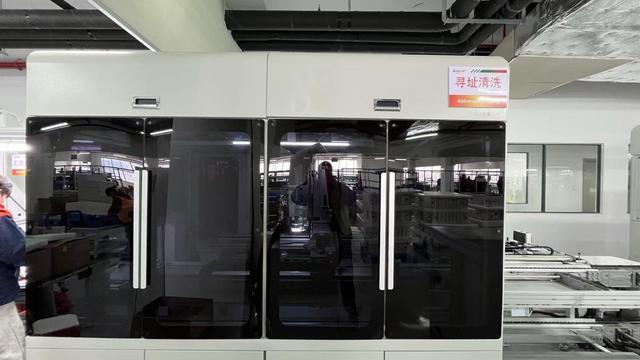
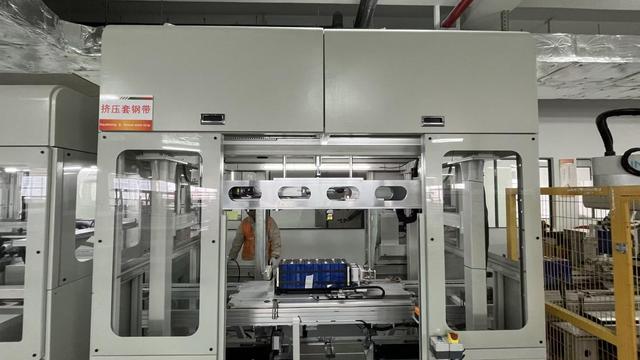
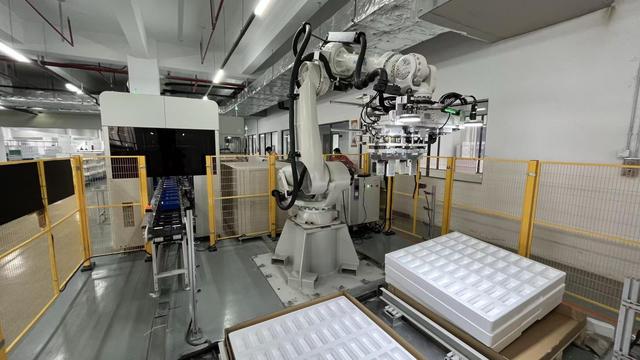
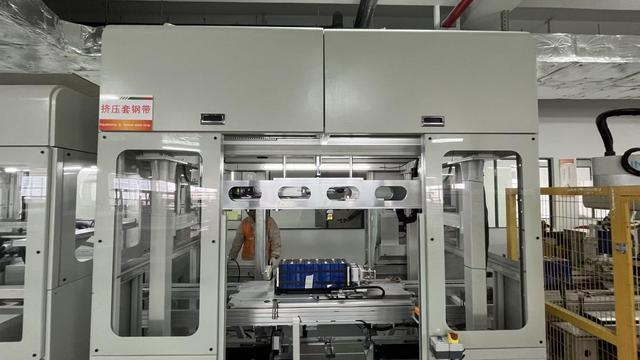
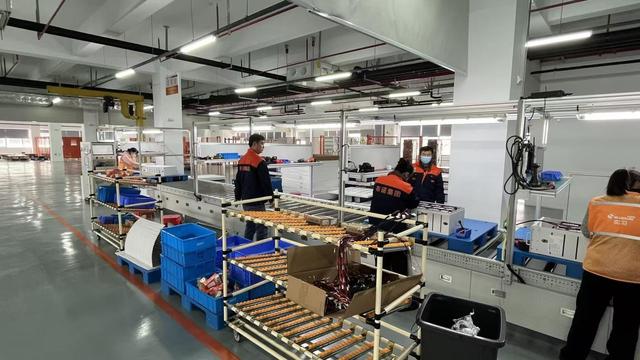
Our modern manufacturing facility is equipped with automated production lines, precision testing equipment, and strict quality management systems. Every solar module undergoes comprehensive inspections and performance testing to guarantee superior reliability, durability, and compliance with international standards. We are committed to providing products that meet the evolving demands of the global renewable energy market.
To better serve international customers, Halkirk Solar offers flexible OEM and ODM services for solar brands, distributors, EPC contractors, wholesalers, and project developers. Our experienced engineering and technical teams work closely with clients to deliver customized solar solutions tailored to specific project requirements, market demands, and branding needs.
Driven by innovation, sustainability, and customer satisfaction, Ningbo Halkirk Solar Co., Ltd. continues to expand its presence in global markets. We strive to become a trusted partner in the photovoltaic industry by providing high-quality solar modules and comprehensive clean energy solutions that contribute to a greener and more sustainable future.
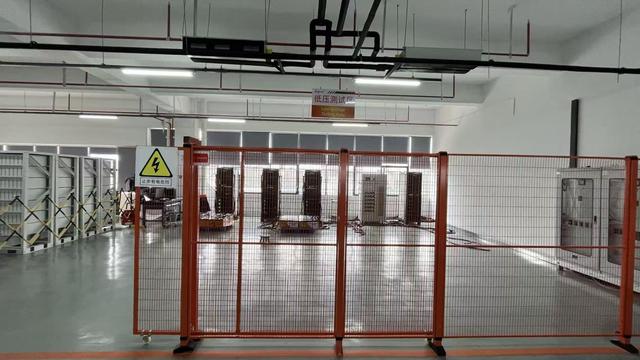
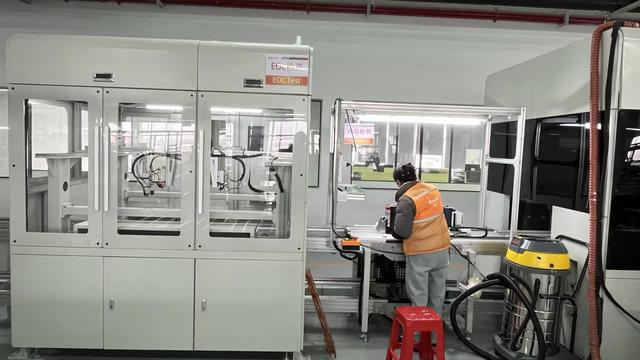
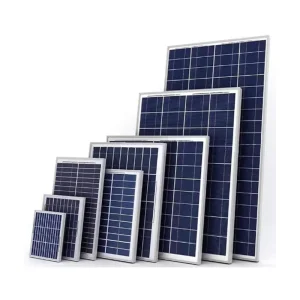
Explore our full line of export-ready panels from low-power residential setups to high-power off-grid generation systems.
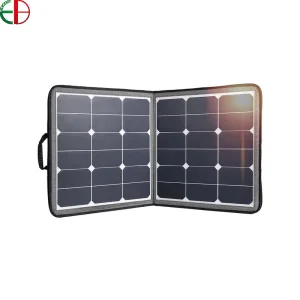
Streamlining complex commercial procurement, legal compliance, and quality testing frameworks.
For international EPC contractors, state enterprises, and industrial developers operating in Kazakhstan, procurement represents a complex balance of cost, safety, and logistical speed. Halkirk Solar delivers dedicated, commercial-grade contract handling processes built on transparency and technical reliability:
Kazakhstan requires specific national certification processes (including GOST-K and declarations of conformity with the Eurasian Economic Union). Our technical engineering team provides all necessary documentation, including factory audit reports, CE, TUV, and SGS testing certificates, and certified translations of structural verification data. This ensures your project bypasses bureaucratic delays at customs ports or local energy inspectorates.
Our quality control includes triple Electroluminescence (EL) inspections: pre-lamination, post-lamination, and pre-packaging. This detection program ensures that no micro-cracks exist in the silicon structures before the panels are packaged into protective crates. Full operational flash test reports are linked directly to every panel's unique serial number barcode for complete traceability.
Different installation topologies (e.g., ground mount structures in the steppes of Karaganda, tracker arrays in southern Zhambyl, or pitched rooftops in Almaty) require specific frame thicknesses and screw alignment setups. We offer custom frame sizing (35mm or 40mm) and specific lead-wire customization to simplify installer field efforts and reduce balance-of-system (BOS) installation times.
Technical questions, logistics information, and operational details for Central Asian PV installations.
 Halkirk Solar