Premium selection engineered for high-altitude irradiance, desert heat performance, and robust grid integration in key industrial corridors.
Comprehensive industry evaluation on Levelized Cost of Energy (LCOE), grid integration parameters, and macro policies shaping Latin America's clean energy growth.
Mexico possesses one of the most competitive solar resource footprints globally. With daily average solar horizontal global irradiation ranging between 5.0 kWh/m² and 6.0 kWh/m², regions like the Sonoran Desert, Chihuahua, Coahuila, and the Bajío manufacturing hub represent ideal geographies for high-capacity PV development. As local electricity tariffs (specifically under the CFE's GDMTO and GDMTH industrial categories) remain volatile, Mexican industrial facilities and corporate partners are accelerating investment in on-site generation (Generación Distribuida) under the current 500 kW regulatory limit, as well as bilateral corporate PPAs for utility-scale developments.
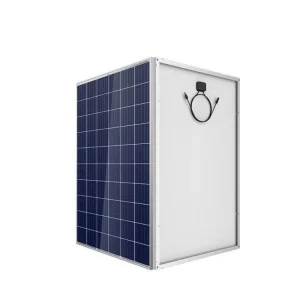
By leveraging robust polycrystalline solar panels, procurement managers and EPC (Engineering, Procurement, and Construction) companies are targeting a highly balanced CapEx-to-yield ratio. While monocrystalline technology achieves minor efficiency gains, polycrystalline solar modules present a reliable, structurally stable alternative that reduces the initial capital investment by up to 15%—crucial for large-scale agricultural irrigation, rural electrification networks, and low-margin manufacturing facilities located throughout Nuevo León, Querétaro, and Guanajuato.
On a global scale, the photovoltaic supply chain has faced major structural fluctuations. The transition toward high-density cells, multi-busbar (MBB) configurations, and bifacial dual-glass encapsulation has allowed polycrystalline and hybrid silicon technologies to remain highly competitive. In terms of LCOE (Levelized Cost of Energy), polycrystalline PV panels remain the configuration of choice for projects where raw land area is readily available but upfront investment capital is constrained by high domestic interest rates.
Polycrystalline cells utilize multi-directional crystal structures, allowing them to capture diffuse sunlight more effectively under hazy or semi-overcast conditions. This makes them highly suitable for coastal states such as Veracruz and Yucatán, where humidity and atmospheric salt-mist demand structurally resilient, corrosion-resistant dual-glass backsheets. Furthermore, modern manufacturing processes have drastically reduced the PID (Potential Induced Degradation) index of modern poly cells, aligning their performance lifecycle with international standards like IEC 61215 and IEC 61730.
Strategic logistics, advanced production lines, and customizable OEM/ODM pipelines optimized for North American compliance.
Ningbo Halkirk Solar Co., Ltd. is an industry-recognized China solar panel manufacturer and monocrystalline & bifacial solar module supplier, dedicated to delivering high-efficiency renewable energy solutions to customers worldwide. Located in the manufacturing hub of Ningbo, China, the company integrates advanced research and development, smart manufacturing, quality control, and global sales pipelines to supply reliable solar products for residential, commercial, industrial, and utility-scale applications.
Our proximity to the Ningbo-Zhoushan Port—the world’s busiest port by cargo tonnage—allows for highly efficient supply chain routes directly to major Mexican maritime terminals, including Manzanillo, Lázaro Cárdenas, and Veracruz. This geographic advantage significantly reduces transit times and container shipping costs, passing structural savings directly to Mexican EPC contractors and regional solar distributors.
Halkirk Solar specializes in the production of high-performance monocrystalline solar panels, bifacial solar modules, TOPCon solar panels, N-type solar modules, off-grid solar solutions, on-grid solar systems, and customized photovoltaic products. Leveraging advanced cell technology and intelligent manufacturing processes, our products are designed to maximize energy output, improve temperature coefficients, and ensure long-term performance under the high UV indexes typical of Mexican highland regions.
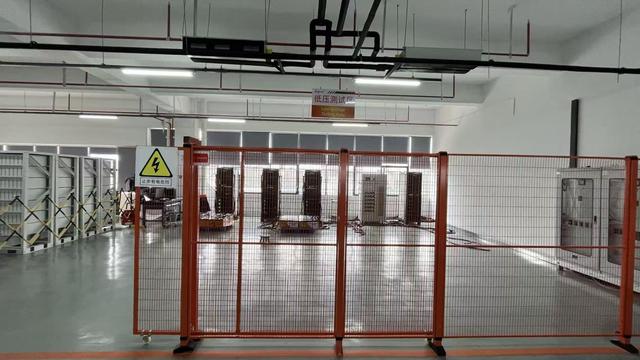
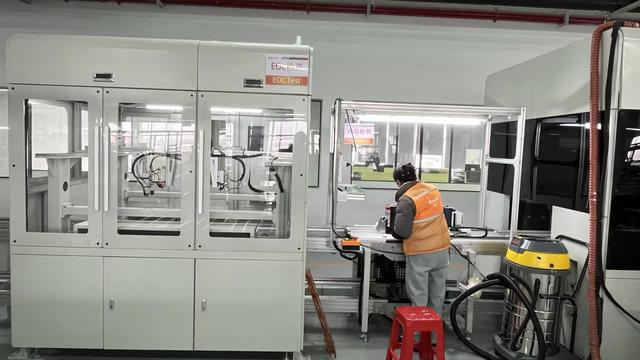
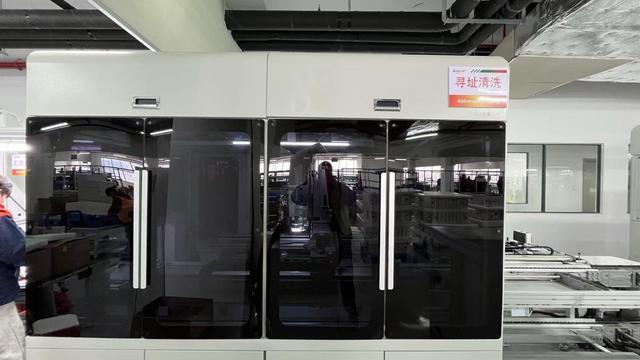
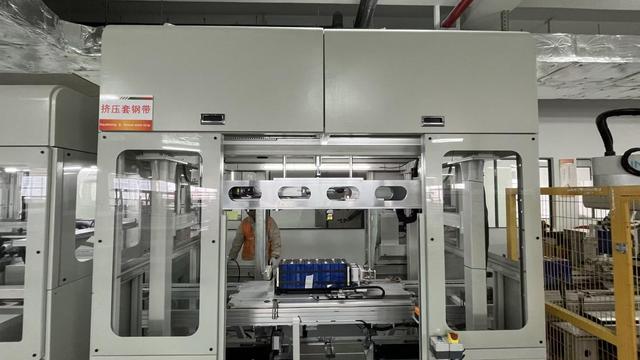
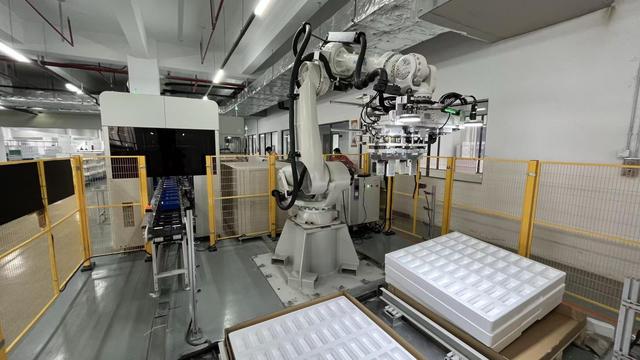
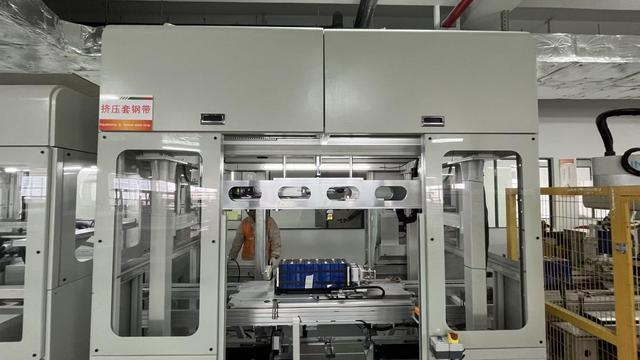
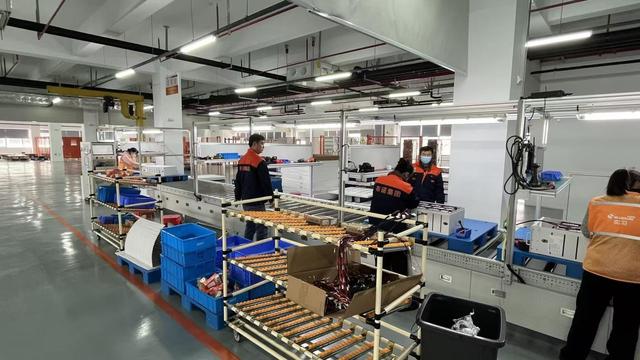
Our modern manufacturing facility is equipped with fully automated production lines, laser dicing equipment, automated optical inspection (AOI) systems, and triple-EL (Electroluminescence) testing setups. Every solar module undergoes comprehensive inspection and performance calibrations to guarantee compliance with rigorous international safety and efficiency metrics, including CE, TUV, and SGS certifications.
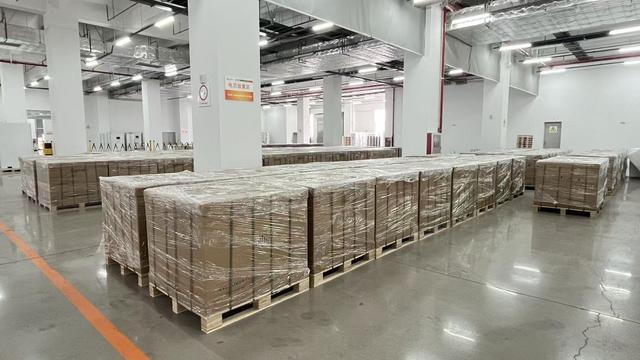
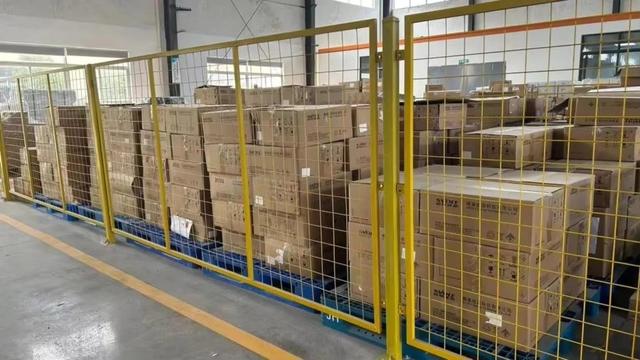
To assure our partners of absolute product reliability, our facilities run 24/7 with real-time performance tracking and cleanroom environment standards for cell sorting and stringer assembly. See our operations below:

How our polycrystalline and specialty modules address specific environmental, geographic, and economic requirements in Mexico.
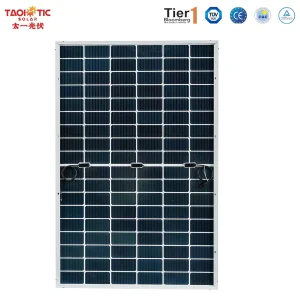
Manufacturing plants in Monterrey, Saltillo, and Querétaro require massive electrical loads for machinery operation. By installing rooftop arrays utilizing 550W Half-Cell Polycrystalline Modules, factories can significantly offset peak energy costs. Since our modules are designed to resist potential induced degradation (PID) and come with robust aluminum frames certified for heavy wind loads, they easily comply with the NOM-001-SEDE-2012 electrical safety installations required by Mexican inspectors.
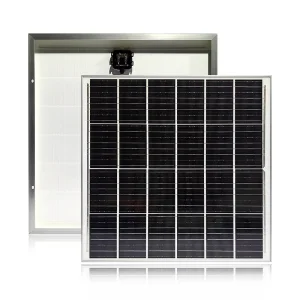
Agriculture in Northern Mexico relies heavily on groundwater extraction. Many of these pumping systems are situated far from CFE medium-voltage grids. Our 340W and 300W poly modules, combined with high-grade waterproof junction boxes, supply dependable direct current (DC) to solar pumps. The higher thermal coefficient resilience of our polycrystalline structure prevents excessive voltage drop during peak summer afternoons, ensuring constant water flow when crops need it most.
Eco-resorts and rural communities along the Baja Peninsula and Riviera Maya face high humidity and atmospheric salt fog. For these environments, the Taoistic Dual Glass Polycrystalline Solar Panels offer a highly specialized solution. The dual glass structure prevents moisture ingress and salt-induced degradation, maintaining electrical integrity and generating clean energy with minimal maintenance costs over a 25-year lifespan.
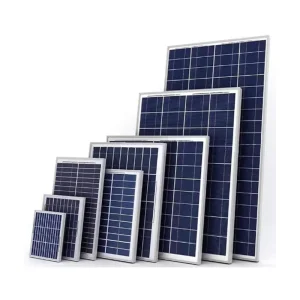
Explore our complete export line, engineered for high reliability, cost-performance, and structural versatility.
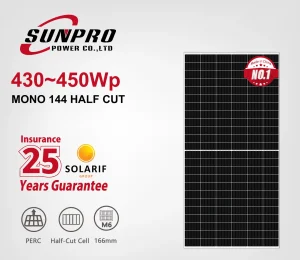
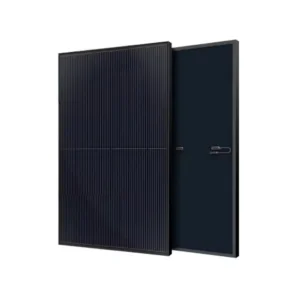

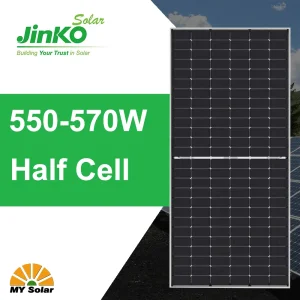
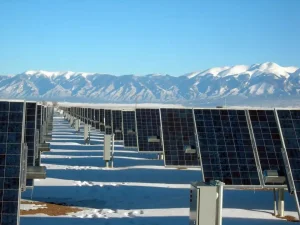
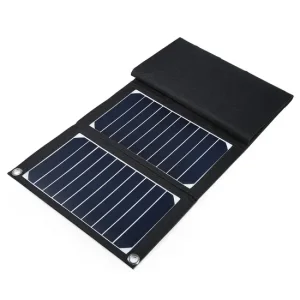
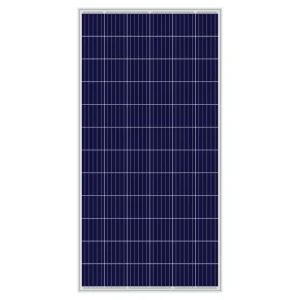
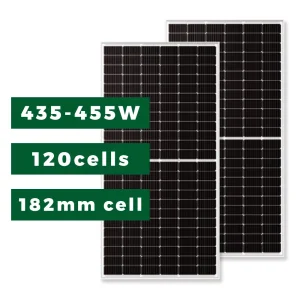
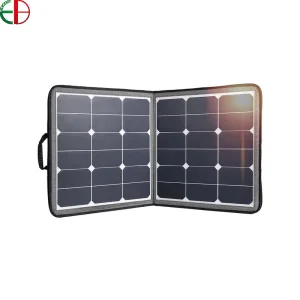
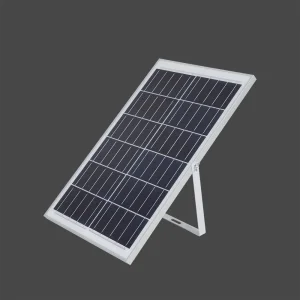
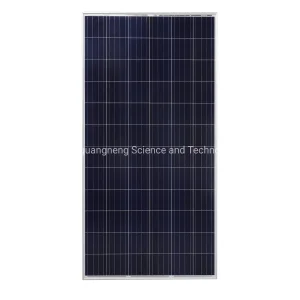
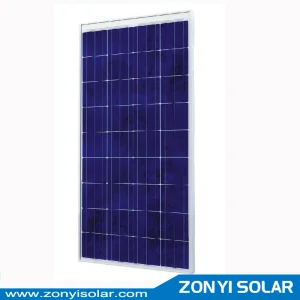
Navigating the importing and commissioning phase of high-voltage solar assets in Mexico requires compliance with several distinct technical standards. The most critical is the NOM Certification, which verifies safety and environmental performance. Additionally, standard commercial connections under the Interconnection Agreement (Contrato de Interconexión) of the Comisión Reguladora de Energía (CRE) dictate strict limits for system harmonics, active/reactive power factors, and grid-disconnection speeds during micro-outages.
By specifying dual-glass structures and robust multi-busbar designs, Halkirk Solar helps clients minimize thermal degradation rates. In regions like Monterrey and San Luis Potosí, ambient temperatures during summer months can regularly exceed 40°C. Standard solar modules suffer heavy power output drops under these conditions. However, the advanced crystalline processing employed in our polycrystalline arrays reduces the power temperature coefficient (Pmax) to -0.38%/°C, ensuring consistent yield even when module operating temperatures exceed 65°C.
For large-scale projects, procurement is as much about logistics as it is about cell performance. Halkirk Solar ensures shipping containers are packed with moisture-absorbing desiccants and impact-resistant corner protections to survive maritime vibration. Our export team coordinates all customs declarations, certificate of origin paperwork, and ocean bill of ladings to streamline clearance through Mexican customs ports. Our clients benefit from DDP or CIF shipping arrangements, depending on corporate buyer preferences, minimizing delays and local logistics blockages.
Essential answers regarding imports, certifications, warranties, and performance customization for the Mexican market.
Our modules are fully certified under global standards, including TUV Rheinland, CE, and SGS, which conform directly to IEC 61215 and IEC 61730 parameters. These certificates are crucial for passing structural audits by CFE inspectors under Mexican NOM-001-SEDE safety regulations.
We provide a 15-year material and workmanship warranty alongside a 25-year linear performance warranty. We guarantee that the power output of our polycrystalline modules will remain above 80.7% of the nominal value by the end of year 25, backed by low annual degradation curves.
Ocean transit from the Port of Ningbo to Manzanillo or Lázaro Cárdenas usually takes 18 to 25 days. Customs clearance at Mexican ports can take between 5 to 10 working days, depending on paperwork preparation. We provide all necessary documentation beforehand to avoid customs delays.
Yes. Halkirk Solar offers comprehensive OEM and ODM support. We customize panel frames, cable lengths, MC4 connector types, and glass configurations (single glass vs. dual glass) to meet specific project demands and environmental stresses like coastal salt fog.
Polycrystalline modules present a significantly lower initial investment (CapEx). When land is not a constraint—such as in agricultural pumping fields or large-scale factories—polycrystalline solar arrays deliver high cumulative yields at a lower cost per watt, improving the overall project payback period.
 Halkirk Solar